Company Details
california-department-of-corrections-and-rehabilitation
4,127
19,373
92212
http://www.cdcr.ca.gov/
0
CA _3143633
In-progress

CA Department of Corrections & Rehabilitation Company CyberSecurity Posture
http://www.cdcr.ca.gov/Founded in 1885, the California Department of Corrections and Rehabilitation (CDCR) serves as one of the nation's largest, and most diverse correctional departments. Our mission is to facilitate the successful reintegration of the individuals in our care back to their communities equipped with the tools to be drug-free, healthy, and employable members of society by providing education, treatment, rehabilitative, and restorative justice programs, all in a safe and humane environment. The California Department of Corrections and Rehabilitation (CDCR) and California Correctional Health Care Services (CCHCS) are committed to building and fostering a diverse workplace. We believe cultural diversity, backgrounds, experiences, perspectives, and unique identities should be honored, valued, and supported. We believe all staff should be empowered. CDCR/CCHCS are proud to foster inclusion and representation at all levels of both Departments.
Company Details
california-department-of-corrections-and-rehabilitation
4,127
19,373
92212
http://www.cdcr.ca.gov/
0
CA _3143633
In-progress
Between 600 and 649

CDCR Global Score (TPRM)XXXX

Description: The California Department of Corrections and Rehabilitation reported a data breach incident involving Mule Creek State Prison on July 13, 2015. The breach, discovered on May 7, 2015, involved the improper storage of a Gate Clearance document containing personal information, including names, driver license numbers, and social security numbers.
Description: The California Department of Corrections and Rehabilitation (CDCR) experienced a data breach in August 2022, stemming from unauthorized access to a file-sharing platform that began as early as December 2021. The incident exposed sensitive personal information of inmates and parolees, including full names, CDCR identification numbers, dates of birth, and Social Security numbers. While the breach granted unauthorized parties access to this data, forensic investigations found no evidence that the information was copied, exfiltrated, or misused. The exposed data primarily pertained to individuals within the correctional system, raising concerns about potential identity theft or fraud. However, the lack of confirmed data theft or broader systemic impact limited the immediate fallout. The CDCR took steps to notify affected individuals and enhance security protocols to prevent future incidents, though the breach underscored vulnerabilities in handling sensitive data within government agencies.
Description: The California Department of Corrections and Rehabilitation reported a data breach on April 2, 2014, involving the California Correctional Institution. The breach occurred on March 3, 2014, when an employee roster containing full names and the last 6-digits of Social Security numbers was discovered unsecured. The number of individuals affected is unknown.
Description: The California Department of Corrections and Rehabilitation (CDCR) experienced a data breach at Salinas Valley State Prison, reported on **December 26, 2017**, but discovered earlier on **October 31, 2017**. The incident involved the **improper disposal of confidential documents**, exposing sensitive personal information of prison staff. Specifically, the breach compromised the **names and Social Security numbers (SSNs)** of employees who were working at the facility as of **January 15, 2016**. The mishandling of physical records—likely due to inadequate disposal protocols—led to unauthorized access risks for affected personnel. While the exact number of impacted individuals was not specified in the report, the exposure of SSNs poses severe threats, including **identity theft, financial fraud, and long-term reputational harm** for the employees. The breach highlights systemic vulnerabilities in the CDCR’s data management practices, particularly in securing and disposing of sensitive employee records. No evidence suggested the data was actively exploited by malicious actors, but the **potential for misuse remains high** given the nature of the exposed information. The incident underscores the need for stricter document handling procedures within governmental correctional institutions to prevent similar lapses in the future.
Description: In August 2013, the California Department of Corrections and Rehabilitation disclosed a data breach at Centinela State Prison. The incident, which took place between July 26 and July 29, 2013, involved unauthorized access to a file containing sensitive personal information of employees. The compromised data included names, dates of birth, and Social Security numbers, though the exact number of affected individuals remains undetermined. The breach exposed critical employee records, raising concerns about potential identity theft, financial fraud, or misuse of the stolen information. As a government-operated correctional facility, the exposure of such data not only jeopardizes the privacy and security of its workforce but also underscores vulnerabilities in the state’s cybersecurity protocols for handling sensitive personnel records. The incident highlights the risks associated with inadequate safeguards in public sector institutions, where employee data is a prime target for malicious actors.
Description: The California Department of Corrections and Rehabilitation reported a data breach on February 8, 2022, involving Calipatria State Prison. The breach occurred on January 5, 2022, when an employee inadvertently e-mailed a document containing personal information, including first and last names, dates of birth, and social security numbers, to the wrong person. The number of individuals affected is unknown.
Description: The California Department of Corrections and Rehabilitation reported a data breach involving Folsom State Prison on November 21, 2016. The breach occurred on October 28, 2016, when a Confidential Alpha Roster containing staff names, social security numbers, and other personal information was saved in a non-secure location accessible to all staff. The number of individuals affected is unspecified.
Description: The California Department of Corrections and Rehabilitation reported a data breach at Salinas Valley State Prison on November 1, 2012. The breach, discovered on September 26, 2012, involved unauthorized access to a database file containing personal information of custody staff, including names, Social Security numbers, personal phone numbers, addresses, and institutional positions. The number of individuals affected is not explicitly stated.
Description: On May 6, 2020, the California Department of Corrections and Rehabilitation (CDCR) experienced a data breach due to unauthorized access to a SharePoint site. The compromised system contained sensitive personal identifying information (PII), including names and Social Security numbers (SSNs) of individuals. The breach was not immediately detected and was only reported on July 14, 2020—over two months after the incident. The exact number of affected individuals remains undisclosed, raising concerns about the scale of exposure. Given the nature of the data (SSNs and PII), the breach poses significant risks of identity theft, financial fraud, and long-term reputational harm to the CDCR. The delayed disclosure further exacerbates the potential consequences, as affected individuals were left uninformed and vulnerable for an extended period. The incident underscores critical gaps in cybersecurity monitoring, incident response, and transparency within the department.
Description: The California Department of Corrections and Rehabilitation (CDCR) suffered a data breach that affected the medical information of everyone who was tested for COVID-19 by the department from June 2020 through January 2022. CDCR discovered some suspicious activity in a file transfer system dating back to December 2021 and took immediate action to suspend the affected system. They also notified authorities and began a multi-agency investigation. The exposed information included their name, CDCR number, mental health treatment, mental health history, and mental health diagnosis and also Social Security Numbers, driver’s license numbers, and trust account information.
Description: The California Department of Corrections and Rehabilitation (CDCR) discovered a potential data breach. The breach potentially included medical information on everyone who was tested for COVID-19 by the department from June 2020 through January 2022, including staff, visitors, and others. It did not include COVID testing information for the incarcerated population. CDCR does not have any collaborating evidence which suggests the data exposed has been compromised or misused. The department also notified authorities, and began a multi-agency investigation. Someone or something entered the system without permission but there was no sign that anyone looked at or copied your information. The information included their name, CDCR number, mental health treatment, mental health history, and mental health diagnosis. Additionally, information in the Trust, Restitution, Accounting, and Canteen System (TRACS) was also potentially involved. This information includes records of transactions made to and from trust accounts since 2008, as well as some trust account numbers. Some of the data included Social Security Numbers, driver’s license numbers, and trust account information. CDCR immediately shut down the system and initiated a multi-agency law enforcement and forensic investigation in order to conduct a thorough review into the matter.


No incidents recorded for CA Department of Corrections & Rehabilitation in 2025.
CDCR cyber incidents detection timeline including parent company and subsidiaries

Founded in 1885, the California Department of Corrections and Rehabilitation (CDCR) serves as one of the nation's largest, and most diverse correctional departments. Our mission is to facilitate the successful reintegration of the individuals in our care back to their communities equipped with the tools to be drug-free, healthy, and employable members of society by providing education, treatment, rehabilitative, and restorative justice programs, all in a safe and humane environment. The California Department of Corrections and Rehabilitation (CDCR) and California Correctional Health Care Services (CCHCS) are committed to building and fostering a diverse workplace. We believe cultural diversity, backgrounds, experiences, perspectives, and unique identities should be honored, valued, and supported. We believe all staff should be empowered. CDCR/CCHCS are proud to foster inclusion and representation at all levels of both Departments.


The Metropolitan Police Service is famed around the world and has a unique place in the history of policing. Our headquarters at New Scotland Yard - and its iconic revolving sign - has provided the backdrop to some of the most high profile and complex law enforcement investigations the world has e

Welcome to the Official NYPD LinkedIn Page. For emergencies, dial 911. To submit crime tips & information, visit www.NYPDcrimestoppers.com or call 800-577-TIPS. The mission of the New York City Police Department is to enhance the quality of life in New York City by working in partnership with the c

Politiemensen staan midden in de maatschappij, dicht op het nieuws. De politie is daar waar het gebeurt. Het optreden van agenten ligt altijd onder een vergrootglas. Bij de politie ben je 24 uur per dag en voor iedereen in onze diverse samenleving. Integer, moedig, betrouwbaar en verbindend zijn daa

Gendarmería Nacional Argentina (GNA) es una Fuerza de Seguridad de naturaleza militar, que cumple funciones en la seguridad interior, defensa nacional, auxilio a la Justicia Federal y apoyo a la Política Exterior de la RA. Es una de las cuatro Fuerzas que integran el Ministerio de Seguridad de l

Policing in South Africa. I am attached to the newly formed Directorate for Priority Crime Investigations. Formally I was attached to the Detecitve Service and have been conduction investigations for over 25 years. I have also been attached to the National Inspectorate Division of the SAPS for soem

he Government of India, officially known as the Union Government, and also known as the Central Government, was established by the Constitution of India, and is the governing authority of a union of 28 states and seven union territories, collectively called the Republic of India. It is seated in New

Vi gör hela Sverige tryggt och säkert! Att arbeta inom polisen är ett av de finaste uppdrag man kan ha. Du bidrar till samhället genom att göra hela Sverige tryggt och säkert. Oavsett om du jobbar i en civil roll eller som polis, är möjligheterna att växa med en större uppgift många. Vi är Sverig
.png)
When parolee Troy McAlister struck and killed 60-year-old Elizabeth Platt and 27-year-old Hanako Abe in San Francisco on Dec.
As vacancy rates at several medical and correctional facilities climbed in recent years, California has come to rely on contracted workers.
Incarcerated women have accused at least 83 California correctional officers of sex assault in lawsuits that are playing out around the...
Correctional Officer Marcus Monzon, who started with the department just last year, passed away Dec. 3, 2025.
CDCR initiated the Conservation (Fire) Camp Program to provide able-bodied incarcerated people the opportunity to work on meaningful projects...
SOLEDAD – California Department of Corrections and Rehabilitation (CDCR) officials are investigating the Nov. 29, 2025, death of...
California's $17.5 billion prison system is over budget, contributing to a projected state deficit. Gov. Gavin Newsom has cut spending with...
Purpose of the Victim Impact Grants is for eligible nonprofit organizations to deliver victim impact programs that are victim-focused,...
Approximately 20 incarcerated persons were involved in a riot at California State Prison, Sacramento on Monday, Nov. 10.

Explore insights on cybersecurity incidents, risk posture, and Rankiteo's assessments.
The official website of CA Department of Corrections & Rehabilitation is http://www.cdcr.ca.gov/.
According to Rankiteo, CA Department of Corrections & Rehabilitation’s AI-generated cybersecurity score is 642, reflecting their Poor security posture.
According to Rankiteo, CA Department of Corrections & Rehabilitation currently holds 0 security badges, indicating that no recognized compliance certifications are currently verified for the organization.
According to Rankiteo, CA Department of Corrections & Rehabilitation is not certified under SOC 2 Type 1.
According to Rankiteo, CA Department of Corrections & Rehabilitation does not hold a SOC 2 Type 2 certification.
According to Rankiteo, CA Department of Corrections & Rehabilitation is not listed as GDPR compliant.
According to Rankiteo, CA Department of Corrections & Rehabilitation does not currently maintain PCI DSS compliance.
According to Rankiteo, CA Department of Corrections & Rehabilitation is not compliant with HIPAA regulations.
According to Rankiteo,CA Department of Corrections & Rehabilitation is not certified under ISO 27001, indicating the absence of a formally recognized information security management framework.
CA Department of Corrections & Rehabilitation operates primarily in the Law Enforcement industry.
CA Department of Corrections & Rehabilitation employs approximately 4,127 people worldwide.
CA Department of Corrections & Rehabilitation presently has no subsidiaries across any sectors.
CA Department of Corrections & Rehabilitation’s official LinkedIn profile has approximately 19,373 followers.
CA Department of Corrections & Rehabilitation is classified under the NAICS code 92212, which corresponds to Police Protection.
No, CA Department of Corrections & Rehabilitation does not have a profile on Crunchbase.
Yes, CA Department of Corrections & Rehabilitation maintains an official LinkedIn profile, which is actively utilized for branding and talent engagement, which can be accessed here: https://www.linkedin.com/company/california-department-of-corrections-and-rehabilitation.
As of December 15, 2025, Rankiteo reports that CA Department of Corrections & Rehabilitation has experienced 11 cybersecurity incidents.
CA Department of Corrections & Rehabilitation has an estimated 1,508 peer or competitor companies worldwide.
Incident Types: The types of cybersecurity incidents that have occurred include Cyber Attack and Breach.
Detection and Response: The company detects and responds to cybersecurity incidents through an containment measures with system shutdown, and and containment measures with suspended the affected system, and remediation measures with review and improvement of document disposal procedures (assumed), and communication strategy with public disclosure on 2017-12-26, and communication strategy with public disclosure on august 22, 2022..
Title: California Department of Corrections and Rehabilitation Data Breach
Description: The California Department of Corrections and Rehabilitation (CDCR) discovered a potential data breach involving medical information on everyone who was tested for COVID-19 by the department from June 2020 through January 2022, including staff, visitors, and others. The breach did not include COVID testing information for the incarcerated population. The department also notified authorities and began a multi-agency investigation. The information included names, CDCR numbers, mental health treatment, mental health history, mental health diagnosis, and records of transactions made to and from trust accounts since 2008, as well as some trust account numbers, Social Security Numbers, and driver’s license numbers. CDCR immediately shut down the system and initiated a multi-agency law enforcement and forensic investigation.
Type: Data Breach
Title: CDCR Data Breach
Description: The California Department of Corrections and Rehabilitation (CDCR) suffered a data breach affecting the medical information of individuals tested for COVID-19 from June 2020 through January 2022.
Date Detected: December 2021
Type: Data Breach
Attack Vector: Suspicious activity in a file transfer system
Title: California Department of Corrections and Rehabilitation Data Breach
Description: The California Department of Corrections and Rehabilitation reported a data breach on April 2, 2014, involving the California Correctional Institution. The breach occurred on March 3, 2014, when an employee roster containing full names and the last 6-digits of Social Security numbers was discovered unsecured. The number of individuals affected is unknown.
Date Detected: 2014-03-03
Date Publicly Disclosed: 2014-04-02
Type: Data Breach
Attack Vector: Unsecured Data
Vulnerability Exploited: Unsecured Employee Roster
Title: Data Breach at Calipatria State Prison
Description: The California Department of Corrections and Rehabilitation reported a data breach on February 8, 2022, involving Calipatria State Prison. The breach occurred on January 5, 2022, when an employee inadvertently e-mailed a document containing personal information, including first and last names, dates of birth, and social security numbers, to the wrong person. The number of individuals affected is unknown.
Date Detected: 2022-01-05
Date Publicly Disclosed: 2022-02-08
Type: Data Breach
Attack Vector: Human Error
Vulnerability Exploited: Inadvertent Email
Title: Data Breach at Salinas Valley State Prison
Description: Unauthorized access to a database file containing personal information of custody staff, including names, Social Security numbers, personal phone numbers, addresses, and institutional positions.
Date Detected: 2012-09-26
Date Publicly Disclosed: 2012-11-01
Type: Data Breach
Attack Vector: Unauthorized Access
Title: Data Breach at Folsom State Prison
Description: The California Department of Corrections and Rehabilitation reported a data breach involving Folsom State Prison on November 21, 2016. The breach occurred on October 28, 2016, when a Confidential Alpha Roster containing staff names, social security numbers, and other personal information was saved in a non-secure location accessible to all staff. The number of individuals affected is unspecified.
Date Detected: 2016-11-21
Date Publicly Disclosed: 2016-11-21
Type: Data Breach
Attack Vector: Improper Data Storage
Vulnerability Exploited: Non-secure data storage location
Title: Data Breach at Mule Creek State Prison
Description: The California Department of Corrections and Rehabilitation reported a data breach incident involving Mule Creek State Prison on July 13, 2015. The breach, discovered on May 7, 2015, involved the improper storage of a Gate Clearance document containing personal information, including names, driver license numbers, and social security numbers.
Date Detected: 2015-05-07
Date Publicly Disclosed: 2015-07-13
Type: Data Breach
Attack Vector: Improper Storage
Vulnerability Exploited: Improper Storage of Sensitive Information
Title: Centinela State Prison Data Breach (2013)
Description: The California Department of Corrections and Rehabilitation reported a data breach involving Centinela State Prison. The breach occurred between July 26 and July 29, 2013, and involved unauthorized access to a file containing personal information, including names, dates of birth, and Social Security numbers of employees. The number of individuals affected is currently unknown.
Date Detected: 2013-08-20
Date Publicly Disclosed: 2013-08-20
Type: Data Breach
Title: California Department of Corrections and Rehabilitation Data Breach (2017)
Description: The California Department of Corrections and Rehabilitation reported a data breach involving the inappropriate disposal of confidential documents at Salinas Valley State Prison. The breach exposed the names and social security numbers of staff employed at the prison as of January 15, 2016.
Date Detected: 2017-10-31
Date Publicly Disclosed: 2017-12-26
Type: Data Breach (Physical)
Attack Vector: Improper Disposal of Physical Documents
Vulnerability Exploited: Lack of Secure Document Disposal Procedures
Title: California Department of Corrections and Rehabilitation (CDCR) Data Breach
Description: The California Department of Corrections and Rehabilitation (CDCR) reported a data breach on August 22, 2022, involving unauthorized access to a file-sharing platform dating back to December 2021. The breach potentially affected personal information of inmates and parolees, including names, CDCR numbers, dates of birth, and Social Security numbers, but no evidence of data being copied was found.
Date Detected: 2022-08-22
Date Publicly Disclosed: 2022-08-22
Type: Data Breach
Title: California Department of Corrections and Rehabilitation Data Breach (2020)
Description: The California Department of Corrections and Rehabilitation reported a data breach involving unauthorized access to a SharePoint site containing personal identifying information, including names and Social Security numbers.
Date Detected: 2020-05-06
Date Publicly Disclosed: 2020-07-14
Type: Data Breach
Common Attack Types: The most common types of attacks the company has faced is Breach.
Identification of Attack Vectors: The company identifies the attack vectors used in incidents through File-sharing platform.

Data Compromised: Medical information, Transaction records, Trust account numbers, Social security numbers, Driver’s license numbers, Names, Cdcr numbers, Mental health treatment, Mental health history, Mental health diagnosis
Systems Affected: Trust, Restitution, Accounting, and Canteen System (TRACS)

Data Compromised: Name, Cdcr number, Mental health treatment, Mental health history, Mental health diagnosis, Social security numbers, Driver’s license numbers, Trust account information
Systems Affected: File transfer system

Data Compromised: Full names, Last 6-digits of social security numbers

Data Compromised: First and last names, Dates of birth, Social security numbers

Data Compromised: Names, Social security numbers, Personal phone numbers, Addresses, Institutional positions

Data Compromised: Staff names, Social security numbers, Other personal information

Data Compromised: Names, Driver license numbers, Social security numbers

Data Compromised: Names, Dates of birth, Social security numbers
Identity Theft Risk: High (PII exposed)

Data Compromised: Names, Social security numbers
Brand Reputation Impact: Potential Reputation Damage Due to Sensitive Data Exposure
Identity Theft Risk: High (Exposed SSNs)

Data Compromised: Names, Cdcr numbers, Dates of birth, Social security numbers
Systems Affected: file-sharing platform
Identity Theft Risk: Potential (no evidence of data being copied)

Data Compromised: Names, Social security numbers
Systems Affected: SharePoint site
Identity Theft Risk: High (PII exposed)
Commonly Compromised Data Types: The types of data most commonly compromised in incidents are Medical Information, Transaction Records, Trust Account Numbers, Social Security Numbers, Driver’S License Numbers, Names, Cdcr Numbers, Mental Health Treatment, Mental Health History, Mental Health Diagnosis, , Medical Information, Personal Identifiable Information, , Full Names, Last 6-Digits Of Social Security Numbers, , Personal Information, , Personal Information, , Staff Names, Social Security Numbers, Other Personal Information, , Names, Driver License Numbers, Social Security Numbers, , Personally Identifiable Information (Pii), , Personally Identifiable Information (Pii), , Personal Information (Pii), , Personally Identifiable Information (Pii) and .

Entity Name: California Department of Corrections and Rehabilitation
Entity Type: Government Agency
Industry: Corrections and Rehabilitation
Location: California

Entity Name: California Department of Corrections and Rehabilitation
Entity Type: Government Agency
Industry: Corrections and Rehabilitation
Location: California, USA

Entity Name: California Department of Corrections and Rehabilitation
Entity Type: Government Agency
Industry: Corrections and Rehabilitation
Location: California

Entity Name: Calipatria State Prison
Entity Type: Government
Industry: Corrections and Rehabilitation
Location: California, USA

Entity Name: Salinas Valley State Prison
Entity Type: Government
Industry: Corrections and Rehabilitation
Location: California, USA

Entity Name: Folsom State Prison
Entity Type: Government
Industry: Corrections and Rehabilitation
Location: California, USA

Entity Name: Mule Creek State Prison
Entity Type: Government
Industry: Corrections and Rehabilitation
Location: California

Entity Name: Centinela State Prison
Entity Type: Government (State Prison)
Industry: Public Administration / Corrections
Location: California, USA

Entity Name: California Department of Corrections and Rehabilitation
Entity Type: Government Agency
Industry: Public Administration / Law Enforcement
Location: California, USA

Entity Name: California Department of Corrections and Rehabilitation (CDCR)
Entity Type: Government Agency
Industry: Public Safety / Corrections
Location: California, USA (Salinas Valley State Prison)

Entity Name: Salinas Valley State Prison
Entity Type: Correctional Facility
Industry: Public Safety / Corrections
Location: Monterey County, California, USA
Customers Affected: Staff employed as of 2016-01-15 (number not specified)

Entity Name: California Department of Corrections and Rehabilitation (CDCR)
Entity Type: Government Agency
Industry: Public Safety / Corrections
Location: California, USA
Customers Affected: Inmates and parolees (number unspecified)

Entity Name: California Department of Corrections and Rehabilitation
Entity Type: Government Agency
Industry: Public Administration / Corrections
Location: California, USA
Customers Affected: Unknown

Containment Measures: System shutdown

Containment Measures: Suspended the affected system

Remediation Measures: Review and Improvement of Document Disposal Procedures (assumed)
Communication Strategy: Public Disclosure on 2017-12-26

Communication Strategy: Public disclosure on August 22, 2022

Type of Data Compromised: Medical information, Transaction records, Trust account numbers, Social security numbers, Driver’s license numbers, Names, Cdcr numbers, Mental health treatment, Mental health history, Mental health diagnosis
Sensitivity of Data: High

Type of Data Compromised: Medical information, Personal identifiable information
Sensitivity of Data: High

Type of Data Compromised: Full names, Last 6-digits of social security numbers
Sensitivity of Data: High

Type of Data Compromised: Personal information
Sensitivity of Data: High
Personally Identifiable Information: First and last namesDates of birthSocial security numbers

Type of Data Compromised: Personal information
Sensitivity of Data: High
File Types Exposed: Database File
Personally Identifiable Information: NamesSocial Security numbersPersonal phone numbersAddressesInstitutional positions

Type of Data Compromised: Staff names, Social security numbers, Other personal information
Sensitivity of Data: High

Type of Data Compromised: Names, Driver license numbers, Social security numbers
Sensitivity of Data: High

Type of Data Compromised: Personally identifiable information (pii)
Number of Records Exposed: Unknown
Sensitivity of Data: High
Personally Identifiable Information: namesdates of birthSocial Security numbers

Type of Data Compromised: Personally identifiable information (pii)
Sensitivity of Data: High (SSNs and Names)
Data Exfiltration: No (Physical Documents Improperly Disposed)
File Types Exposed: Physical Paper Records
Personally Identifiable Information: NamesSocial Security Numbers

Type of Data Compromised: Personal information (pii)
Sensitivity of Data: High (includes SSNs)
Data Exfiltration: No evidence of data being copied
Personally Identifiable Information: namesCDCR numbersdates of birthSocial Security numbers

Type of Data Compromised: Personally identifiable information (pii)
Number of Records Exposed: Unknown
Sensitivity of Data: High
Personally Identifiable Information: NamesSocial Security Numbers
Prevention of Data Exfiltration: The company takes the following measures to prevent data exfiltration: Review and Improvement of Document Disposal Procedures (assumed).
Handling of PII Incidents: The company handles incidents involving personally identifiable information (PII) through by system shutdown, and suspended the affected system.

Recommendations: Implement Secure Document Destruction Policies for Physical Records, Train Staff on Proper Handling of Sensitive Information, Conduct Regular Audits of Document Disposal PracticesImplement Secure Document Destruction Policies for Physical Records, Train Staff on Proper Handling of Sensitive Information, Conduct Regular Audits of Document Disposal PracticesImplement Secure Document Destruction Policies for Physical Records, Train Staff on Proper Handling of Sensitive Information, Conduct Regular Audits of Document Disposal Practices

Source: California Department of Corrections and Rehabilitation

Source: California Department of Corrections and Rehabilitation

Source: California Department of Corrections and Rehabilitation

Source: California Department of Corrections and Rehabilitation
Date Accessed: 2016-11-21

Source: California Department of Corrections and Rehabilitation

Source: California Department of Corrections and Rehabilitation Public Disclosure

Source: California Department of Corrections and Rehabilitation (CDCR) Public Statement
Additional Resources: Stakeholders can find additional resources on cybersecurity best practices at and Source: California Department of Corrections and Rehabilitation, and Source: California Department of Corrections and Rehabilitation, and Source: California Department of Corrections and Rehabilitation, and Source: California Department of Corrections and RehabilitationDate Accessed: 2016-11-21, and Source: California Department of Corrections and Rehabilitation, and Source: California Department of Corrections and Rehabilitation Public Disclosure, and Source: California Department of Corrections and Rehabilitation (CDCR) Public Statement.

Investigation Status: Ongoing

Investigation Status: Multi-agency investigation

Investigation Status: Disclosed (2017-12-26)

Investigation Status: Ongoing (as of disclosure; no evidence of data copying found)
Communication of Investigation Status: The company communicates the status of incident investigations to stakeholders through Public Disclosure on 2017-12-26, Public disclosure on August 22 and 2022.

Customer Advisories: Notification to Affected Staff (assumed)
Advisories Provided: The company provides the following advisories to stakeholders and customers following an incident: was Notification to Affected Staff (assumed).

Entry Point: File-sharing platform
High Value Targets: Personal Data Of Inmates And Parolees,
Data Sold on Dark Web: Personal Data Of Inmates And Parolees,

Root Causes: Human Error

Root Causes: Improper Disposal of Confidential Physical Documents
Most Recent Incident Detected: The most recent incident detected was on December 2021.
Most Recent Incident Publicly Disclosed: The most recent incident publicly disclosed was on 2020-07-14.
Most Significant Data Compromised: The most significant data compromised in an incident were Medical information, Transaction records, Trust account numbers, Social Security Numbers, Driver’s license numbers, Names, CDCR numbers, Mental health treatment, Mental health history, Mental health diagnosis, , Name, CDCR number, Mental health treatment, Mental health history, Mental health diagnosis, Social Security Numbers, Driver’s license numbers, Trust account information, , Full names, Last 6-digits of Social Security numbers, , First and last names, Dates of birth, Social security numbers, , Names, Social Security numbers, Personal phone numbers, Addresses, Institutional positions, , Staff names, Social security numbers, Other personal information, , Names, Driver License Numbers, Social Security Numbers, , names, dates of birth, Social Security numbers, , Names, Social Security Numbers, , names, CDCR numbers, dates of birth, Social Security numbers, , Names, Social Security Numbers and .
Most Significant System Affected: The most significant system affected in an incident were Trust, Restitution, Accounting, and Canteen System (TRACS) and File transfer system and file-sharing platform and SharePoint site.
Containment Measures in Most Recent Incident: The containment measures taken in the most recent incident were System shutdown and Suspended the affected system.
Most Sensitive Data Compromised: The most sensitive data compromised in a breach were Driver License Numbers, Other personal information, Mental health diagnosis, Mental health history, Social Security numbers, Mental health treatment, Medical information, Last 6-digits of Social Security numbers, Driver’s license numbers, Social security numbers, Trust account numbers, Institutional positions, names, dates of birth, Staff names, CDCR number, Addresses, Social Security Numbers, First and last names, Dates of birth, CDCR numbers, Name, Trust account information, Transaction records, Names, Full names and Personal phone numbers.

Number of Records Exposed in Most Significant Breach: The number of records exposed in the most significant breach was 0.

Most Significant Recommendation Implemented: The most significant recommendation implemented to improve cybersecurity was Implement Secure Document Destruction Policies for Physical Records, Conduct Regular Audits of Document Disposal Practices and Train Staff on Proper Handling of Sensitive Information.
Most Recent Source: The most recent source of information about an incident are California Department of Corrections and Rehabilitation Public Disclosure, California Department of Corrections and Rehabilitation and California Department of Corrections and Rehabilitation (CDCR) Public Statement.
Current Status of Most Recent Investigation: The current status of the most recent investigation is Ongoing.
Most Recent Customer Advisory: The most recent customer advisory issued was an Notification to Affected Staff (assumed).
Most Recent Entry Point: The most recent entry point used by an initial access broker was an File-sharing platform.
Most Significant Root Cause: The most significant root cause identified in post-incident analysis was Human Error, Improper Disposal of Confidential Physical Documents.
.png)
NXLog Agent before 6.11 can load a file specified by the OPENSSL_CONF environment variable.
uriparser through 0.9.9 allows unbounded recursion and stack consumption, as demonstrated by ParseMustBeSegmentNzNc with large input containing many commas.
A vulnerability was detected in Mayan EDMS up to 4.10.1. The affected element is an unknown function of the file /authentication/. The manipulation results in cross site scripting. The attack may be performed from remote. The exploit is now public and may be used. Upgrading to version 4.10.2 is sufficient to fix this issue. You should upgrade the affected component. The vendor confirms that this is "[f]ixed in version 4.10.2". Furthermore, that "[b]ackports for older versions in process and will be out as soon as their respective CI pipelines complete."
MJML through 4.18.0 allows mj-include directory traversal to test file existence and (in the type="css" case) read files. NOTE: this issue exists because of an incomplete fix for CVE-2020-12827.
A half-blind Server Side Request Forgery (SSRF) vulnerability exists in kube-controller-manager when using the in-tree Portworx StorageClass. This vulnerability allows authorized users to leak arbitrary information from unprotected endpoints in the control plane’s host network (including link-local or loopback services).

Get company history
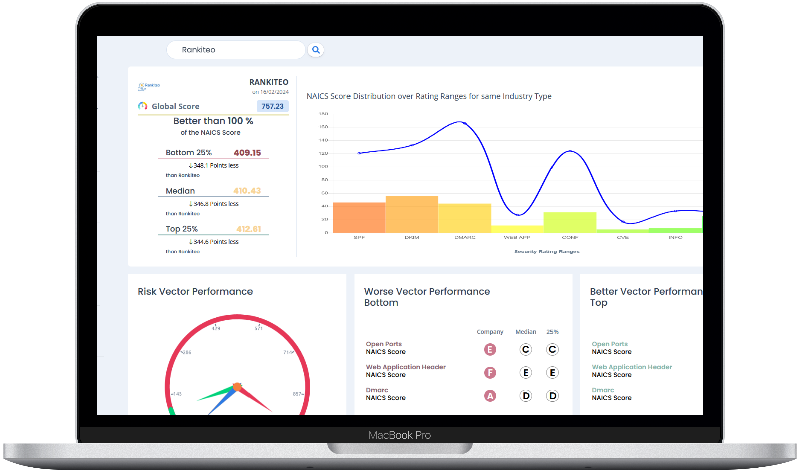
Every week, Rankiteo analyzes billions of signals to give organizations a sharper, faster view of emerging risks. With deeper, more actionable intelligence at their fingertips, security teams can outpace threat actors, respond instantly to Zero-Day attacks, and dramatically shrink their risk exposure window.
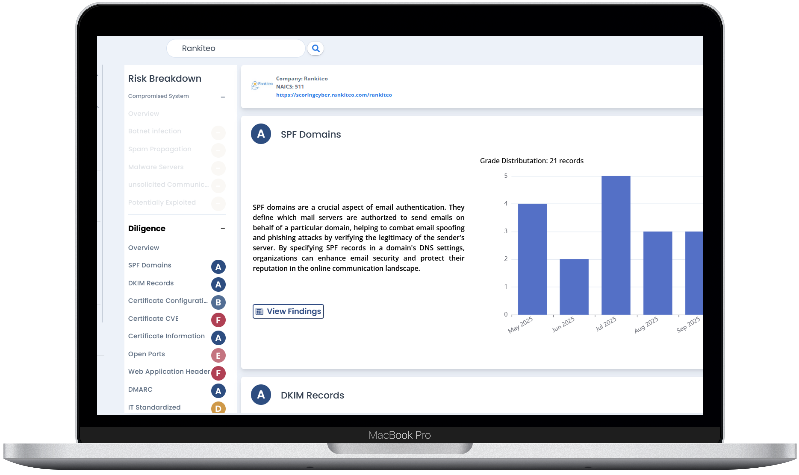
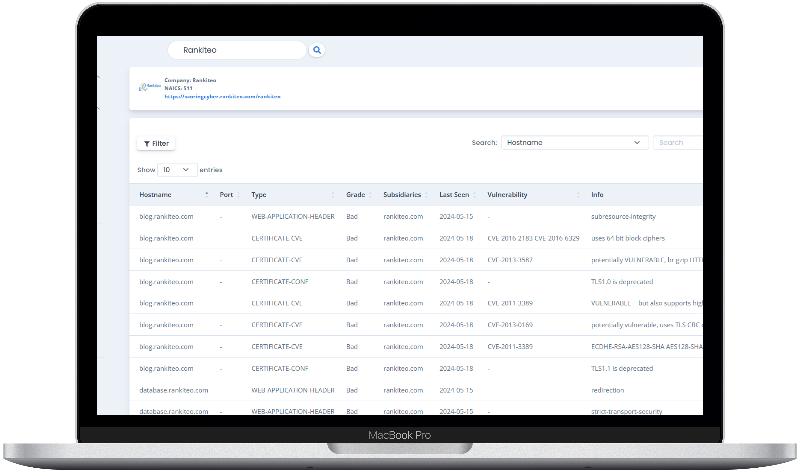
Identify exposed access points, detect misconfigured SSL certificates, and uncover vulnerabilities across the network infrastructure.
Gain visibility into the software components used within an organization to detect vulnerabilities, manage risk, and ensure supply chain security.
Monitor and manage all IT assets and their configurations to ensure accurate, real-time visibility across the company's technology environment.
Leverage real-time insights on active threats, malware campaigns, and emerging vulnerabilities to proactively defend against evolving cyberattacks.