







PHM
Company Details
Linkedin ID:
peopleshistorymuseum
Website:
Employees number:
44
Number of followers:
2,896
NAICS:
712
Industry Type:
Homepage:
phm.org.uk
IP Addresses:
0
Company ID:
PEO_2953072
Scan Status:
In-progress


People's History Museum Company CyberSecurity Posture
phm.org.uk


People’s History Museum is the national museum of democracy, telling the story of its development in Britain: past, present, and future. Explore the radical stories of people coming together to champion ideas worth fighting for, and be empowered by the past to make a change for the future. We are all together in the fight for a fairer world.
Company Details
peopleshistorymuseum
44
2,896
712
phm.org.uk
0
PEO_2953072
In-progress
 PHM Risk Score (AI oriented)
Between 750 and 799
 PHM Global Score (TPRM)
XXXX


No incidents recorded for People's History Museum in 2026.
No incidents recorded for People's History Museum in 2026.
No incidents recorded for People's History Museum in 2026.
PHM cyber incidents detection timeline including parent company and subsidiaries

People’s History Museum is the national museum of democracy, telling the story of its development in Britain: past, present, and future. Explore the radical stories of people coming together to champion ideas worth fighting for, and be empowered by the past to make a change for the future. We are all together in the fight for a fairer world.


The Tampa Bay History Center takes you on a 12,000-year journey through the past, highlighting the people and stories of Florida's West Coast. With three floors of cutting-edge exhibits and theaters, the History Center offers a unique experience for visitors of all ages and provides a sense of place

Located in Coal Valley, IL, Niabi Zoo offers an opportunity to explore 40 acres of a 287-acre forest preserve while enjoying the countryside of Rock Island County. This exploration guides guests through the discovery of more than 600 animals representing over 200 biologically diverse species. With i

The Santa Barbara Botanic Garden fosters the conservation of California's native plants through our gardens, scientific research, and education programs, and serves as a role model for sustainable action. Established in 1926, the Garden is one of the nation’s oldest native plant gardens and is renow

Günümüzde film ve dizi platolarıyla bilinen Beykoz Kundura, Osmanlı dönemine uzanan 200 yılı aşkın zengin bir geçmişe sahip. İmparatorluk döneminde deri ve kâğıt imalathanelerinin bulunduğu alan, Cumhuriyet’in kuruluşundan sonra 1933 ve 1999 yılları arasında Sümerbank Beykoz Deri ve Kundura Fabrikas

Green Gables at Historic Riverview Village, Inc. is a Florida not-for-profit corporation formed for the general purpose of promoting historic preservation in South Brevard County, Florida. The corporation takes its name from the most significant building left to preserve (or rehab for contemporary u

The Larz Anderson Auto Museum is home to "America’s Oldest Car Collection". For more than eighty-five years the Larz Anderson Auto Museum has been supporting the community through a variety of educational programs, exhibits, and lectures. Today the Museum's primary goal is its continued support of

When you hit the pavement on one of our 75+ walking tours through Chicago neighborhoods, embark on our award-winning river cruise or visit the stunning riverfront Center, you’re helping fund youth education initiatives, world-renowned events like Open House Chicago and public information campaigns t

The Jim-Ree African American Museum of Northeast Georgia USA is located in the Historic County Jail in Elberton, GA. We are redefining our history and future through research, preservation, knowledge sharing, and community activation. We invite you to see things anew through the lens of our curated

Alabama Contemporary Art Center is a cultural broker, convener, and public forum for the arts. We facilitate meaning by supporting the work of living artists and by forming strategic alliances with like-minded cultural, social, educational, and civic institutions. Our exhibitions and programs invest
.png)
Curator hopes the accessible features they've introduced will also be applied to future museum shows.
FORT MEADE, Md. — Late last week, a national museum literally papered over history. Responding to President Trump's order that terminated...
The Museum für Naturkunde Berlin regrets to announce that 37243 museum customers were affected by the hacker attack.
Museums and galleries have become more dependent on digital technologies during the Coronavirus pandemic. But as Ian Armstrong,...

Explore insights on cybersecurity incidents, risk posture, and Rankiteo's assessments.
The official website of People's History Museum is http://www.phm.org.uk/.
According to Rankiteo, People's History Museum’s AI-generated cybersecurity score is 762, reflecting their Fair security posture.
According to Rankiteo, People's History Museum currently holds 0 security badges, indicating that no recognized compliance certifications are currently verified for the organization.
According to Rankiteo, People's History Museum has not been affected by any supply chain cyber incidents, and no incident IDs are currently listed for the organization.
According to Rankiteo, People's History Museum is not certified under SOC 2 Type 1.
According to Rankiteo, People's History Museum does not hold a SOC 2 Type 2 certification.
According to Rankiteo, People's History Museum is not listed as GDPR compliant.
According to Rankiteo, People's History Museum does not currently maintain PCI DSS compliance.
According to Rankiteo, People's History Museum is not compliant with HIPAA regulations.
According to Rankiteo,People's History Museum is not certified under ISO 27001, indicating the absence of a formally recognized information security management framework.
People's History Museum operates primarily in the Museums, Historical Sites, and Zoos industry.
People's History Museum employs approximately 44 people worldwide.
People's History Museum presently has no subsidiaries across any sectors.
People's History Museum’s official LinkedIn profile has approximately 2,896 followers.
No, People's History Museum does not have a profile on Crunchbase.
Yes, People's History Museum maintains an official LinkedIn profile, which is actively utilized for branding and talent engagement, which can be accessed here: https://www.linkedin.com/company/peopleshistorymuseum.
As of January 23, 2026, Rankiteo reports that People's History Museum has not experienced any cybersecurity incidents.
People's History Museum has an estimated 2,178 peer or competitor companies worldwide.
Total Incidents: According to Rankiteo, People's History Museum has faced 0 incidents in the past.
Incident Types: The types of cybersecurity incidents that have occurred include .
.png)
Improper validation of specified type of input in M365 Copilot allows an unauthorized attacker to disclose information over a network.
Improper access control in Azure Front Door (AFD) allows an unauthorized attacker to elevate privileges over a network.
Azure Entra ID Elevation of Privilege Vulnerability
Moonraker is a Python web server providing API access to Klipper 3D printing firmware. In versions 0.9.3 and below, instances configured with the "ldap" component enabled are vulnerable to LDAP search filter injection techniques via the login endpoint. The 401 error response message can be used to determine whether or not a search was successful, allowing for brute force methods to discover LDAP entries on the server such as user IDs and user attributes. This issue has been fixed in version 0.10.0.
Runtipi is a Docker-based, personal homeserver orchestrator that facilitates multiple services on a single server. Versions 3.7.0 and above allow an authenticated user to execute arbitrary system commands on the host server by injecting shell metacharacters into backup filenames. The BackupManager fails to sanitize the filenames of uploaded backups. The system persists user-uploaded files directly to the host filesystem using the raw originalname provided in the request. This allows an attacker to stage a file containing shell metacharacters (e.g., $(id).tar.gz) at a predictable path, which is later referenced during the restore process. The successful storage of the file is what allows the subsequent restore command to reference and execute it. This issue has been fixed in version 4.7.0.

Get company history

Every week, Rankiteo analyzes billions of signals to give organizations a sharper, faster view of emerging risks. With deeper, more actionable intelligence at their fingertips, security teams can outpace threat actors, respond instantly to Zero-Day attacks, and dramatically shrink their risk exposure window.
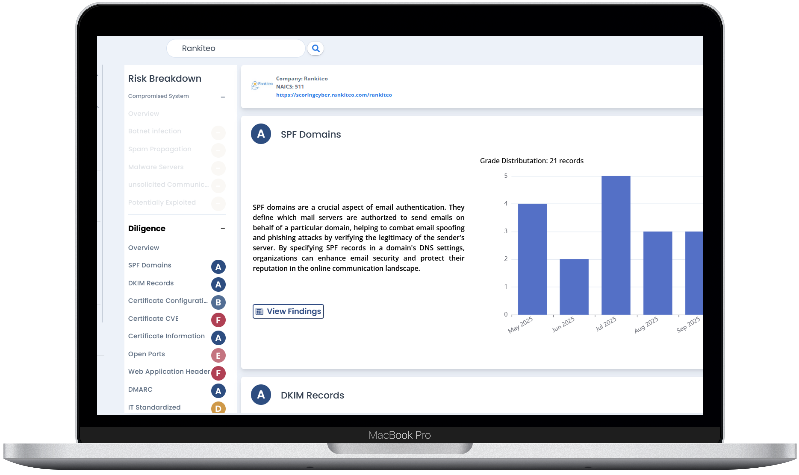
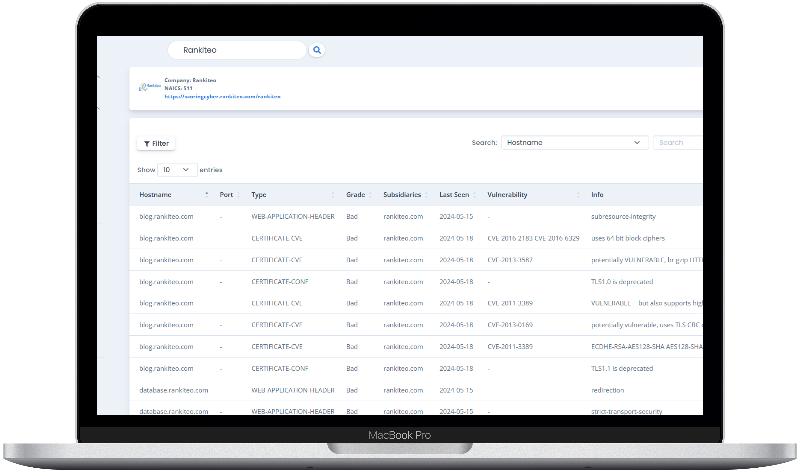
Identify exposed access points, detect misconfigured SSL certificates, and uncover vulnerabilities across the network infrastructure.
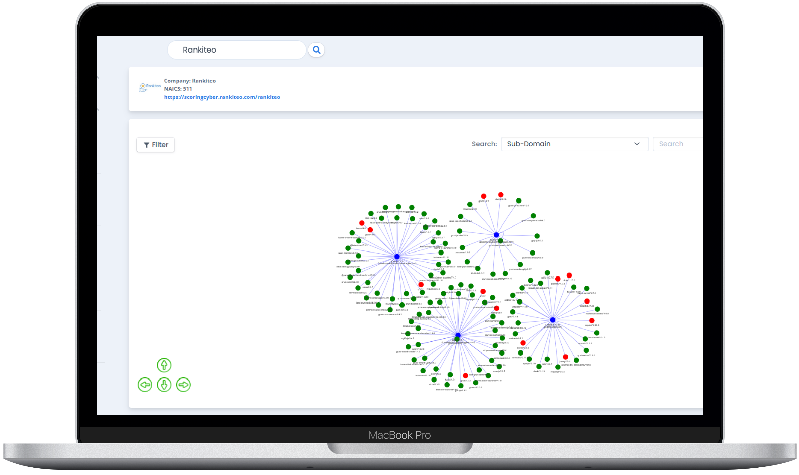
Gain visibility into the software components used within an organization to detect vulnerabilities, manage risk, and ensure supply chain security.
Monitor and manage all IT assets and their configurations to ensure accurate, real-time visibility across the company's technology environment.
Leverage real-time insights on active threats, malware campaigns, and emerging vulnerabilities to proactively defend against evolving cyberattacks.



 Rapid
Rapid