Company Details
buffalo-and-erie-county-botanical-gardens-inc.
33
832
712
buffalogardens.com
0
BUF_1547146
In-progress


Buffalo and Erie County Botanical Gardens Company CyberSecurity Posture
buffalogardens.comCreated from the visions of extraordinary men; David F. Day, Frederick Law Olmsted, John F. Cowell, Frederick A. Lord and William A. Burnham, this masterpiece opened in 1900. Lord & Burnham, premier designers of Victorian glass houses brought these visions to life with their unique design that was based upon the famous Crystal Palace in Kew Gardens Palm House in England. The Botanical Gardens is a national historic site, education center and tourist destination full of exotic horticulture treasures from around the world. Today, the Botanical Gardens is thriving! Nearly 100,000 people visit annually to enjoy the amazing architecture, and the indoor and outdoor garden sanctuaries. It is a gathering place where visitors can find peace and harmony and enjoy the simple power of the natural world. Some visitors also see it as a place for spiritual healing, meditation and reflection. The Botanical Gardens is a 501(c)(3), not for-profit organization that is dedicated to advancing appreciation for and knowledge of plant life and its connection to people and cultures through its documented living plant collection, historic conservatory, education, research and exhibits.
Company Details
buffalo-and-erie-county-botanical-gardens-inc.
33
832
712
buffalogardens.com
0
BUF_1547146
In-progress
Between 750 and 799

BECBG Global Score (TPRM)XXXX


No incidents recorded for Buffalo and Erie County Botanical Gardens in 2026.
BECBG cyber incidents detection timeline including parent company and subsidiaries

Created from the visions of extraordinary men; David F. Day, Frederick Law Olmsted, John F. Cowell, Frederick A. Lord and William A. Burnham, this masterpiece opened in 1900. Lord & Burnham, premier designers of Victorian glass houses brought these visions to life with their unique design that was based upon the famous Crystal Palace in Kew Gardens Palm House in England. The Botanical Gardens is a national historic site, education center and tourist destination full of exotic horticulture treasures from around the world. Today, the Botanical Gardens is thriving! Nearly 100,000 people visit annually to enjoy the amazing architecture, and the indoor and outdoor garden sanctuaries. It is a gathering place where visitors can find peace and harmony and enjoy the simple power of the natural world. Some visitors also see it as a place for spiritual healing, meditation and reflection. The Botanical Gardens is a 501(c)(3), not for-profit organization that is dedicated to advancing appreciation for and knowledge of plant life and its connection to people and cultures through its documented living plant collection, historic conservatory, education, research and exhibits.


Opened in 1914, ROM (Royal Ontario Museum) showcases art, culture, and nature from around the world and across time. Today, ROM houses more than 18 million objects, from Egyptian mummies to contemporary sculpture, from meteorites to dinosaurs. ROM is the most visited museum in Canada and one of the

The Oklahoma Hall of Fame was created to honor extraordinary Oklahomans and to provide educational programming for students of all ages. Since our founding in 1927, the organization has grown to support education in a variety of ways including awarding tuition grants and scholarships, providing free

Es socia fundadora de K6 Gestión Cultural, desde 1989. A lo largo de su trayectoria profesional ha participado en numerosos proyectos relacionados con la creación/gestión de museos, realización de exposiciones, didáctica y comunicación museal. Además, ha tomado parte como museóloga en equipos plur

The National Hellenic Museum is the premier institution for sharing the Greek story; a story that laid the foundation for Western civilization, contributed to the building of America, and continues to innovate today. Our Mission: The National Hellenic Museum is America’s only national institutio

We present lively and inclusive programs that tell Victorian stories, contribute to community connectedness, and inspire a sense of place. We work in partnership with First Nations people and Victorian communities to present diverse perspectives on the past, including ‘difficult’ histories. We bri

Located on San Francisco's Pier 39 at Fisherman’s Wharf, Aquarium of the Bay provides an inspiring window to San Francisco Bay's diverse ecosystem and wildlife. We share our conservation message with over half a million local and international visitors each year. In addition to inspiring and empowe

Green Gables at Historic Riverview Village, Inc. is a Florida not-for-profit corporation formed for the general purpose of promoting historic preservation in South Brevard County, Florida. The corporation takes its name from the most significant building left to preserve (or rehab for contemporary u

http://www.facebook.com/HeardMuseum http://www.twitter.com/HeardMuseum https://instagram.com/heardmuseum https://www.youtube.com/user/HeardMuseum https://www.pinterest.com/heardmuseum/ The Heard Museum is a private, nonprofit institution whose mission is to educate visitors and promote greate

Global Immersion is the specialist digital immersive theater division of Electrosonic. We are creators of incredible digital immersive attractions. We love domes, planetariums, Giant Screen Cinema, 4D theater & everything in between. Our diverse client base is spread across the markets of science
.png)
Dave Treat, Pearson's chief technology officer, highlighted the difficulty of ensuring AI agents are not easily fooled by tactics that trick...
AiStrike, a cybersecurity company focused on artificial intelligence-native cyber defense, has raised $7 million in seed funding to enhance...
The HELP Committee advanced a bipartisan bill to enhance cybersecurity for rural hospitals, led by S.
Claroty Ltd., a startup that helps companies protect their industrial equipment from hackers, has secured $150 million in new funding.
Quantum computing poses risks, including the ability to break encryption. That's why Surfshark is preparing.
What does leadership look like when you don't have direct authority, only influence? Fernanda Silva shares how ambition, trust,...
PRNewswire/ -- A securities class action lawsuit, filed in the wake of an announcement by F5, Inc. (NASDAQ: FFIV) that it experienced a...
The European Commission's proposal to revise the EU Cybersecurity Act has drawn support from industry figures, who say the changes recognise...

Explore insights on cybersecurity incidents, risk posture, and Rankiteo's assessments.

The official website of Buffalo and Erie County Botanical Gardens is http://www.buffalogardens.com.
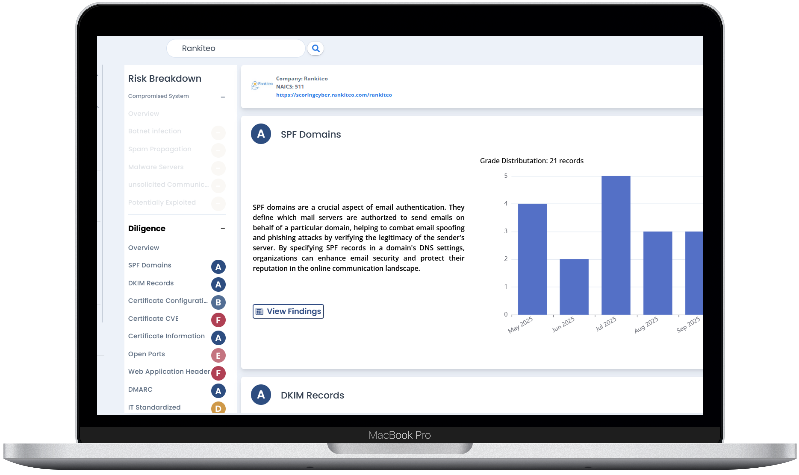
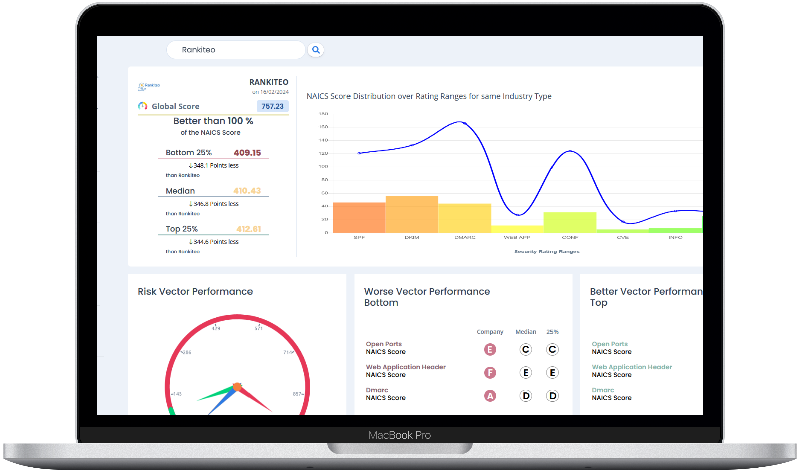
According to Rankiteo, Buffalo and Erie County Botanical Gardens’s AI-generated cybersecurity score is 762, reflecting their Fair security posture.
According to Rankiteo, Buffalo and Erie County Botanical Gardens currently holds 0 security badges, indicating that no recognized compliance certifications are currently verified for the organization.
According to Rankiteo, Buffalo and Erie County Botanical Gardens has not been affected by any supply chain cyber incidents, and no incident IDs are currently listed for the organization.
According to Rankiteo, Buffalo and Erie County Botanical Gardens is not certified under SOC 2 Type 1.
According to Rankiteo, Buffalo and Erie County Botanical Gardens does not hold a SOC 2 Type 2 certification.
According to Rankiteo, Buffalo and Erie County Botanical Gardens is not listed as GDPR compliant.
According to Rankiteo, Buffalo and Erie County Botanical Gardens does not currently maintain PCI DSS compliance.
According to Rankiteo, Buffalo and Erie County Botanical Gardens is not compliant with HIPAA regulations.

According to Rankiteo,Buffalo and Erie County Botanical Gardens is not certified under ISO 27001, indicating the absence of a formally recognized information security management framework.
Buffalo and Erie County Botanical Gardens operates primarily in the Museums, Historical Sites, and Zoos industry.
Buffalo and Erie County Botanical Gardens employs approximately 33 people worldwide.
Buffalo and Erie County Botanical Gardens presently has no subsidiaries across any sectors.
Buffalo and Erie County Botanical Gardens’s official LinkedIn profile has approximately 832 followers.
Buffalo and Erie County Botanical Gardens is classified under the NAICS code 712, which corresponds to Museums, Historical Sites, and Similar Institutions.
No, Buffalo and Erie County Botanical Gardens does not have a profile on Crunchbase.
Yes, Buffalo and Erie County Botanical Gardens maintains an official LinkedIn profile, which is actively utilized for branding and talent engagement, which can be accessed here: https://www.linkedin.com/company/buffalo-and-erie-county-botanical-gardens-inc..
As of January 22, 2026, Rankiteo reports that Buffalo and Erie County Botanical Gardens has not experienced any cybersecurity incidents.
Buffalo and Erie County Botanical Gardens has an estimated 2,178 peer or competitor companies worldwide.
Total Incidents: According to Rankiteo, Buffalo and Erie County Botanical Gardens has faced 0 incidents in the past.
Incident Types: The types of cybersecurity incidents that have occurred include .
.png)
Backstage is an open framework for building developer portals, and @backstage/backend-defaults provides the default implementations and setup for a standard Backstage backend app. Prior to versions 0.12.2, 0.13.2, 0.14.1, and 0.15.0, the `FetchUrlReader` component, used by the catalog and other plugins to fetch content from URLs, followed HTTP redirects automatically. This allowed an attacker who controls a host listed in `backend.reading.allow` to redirect requests to internal or sensitive URLs that are not on the allowlist, bypassing the URL allowlist security control. This is a Server-Side Request Forgery (SSRF) vulnerability that could allow access to internal resources, but it does not allow attackers to include additional request headers. This vulnerability is fixed in `@backstage/backend-defaults` version 0.12.2, 0.13.2, 0.14.1, and 0.15.0. Users should upgrade to this version or later. Some workarounds are available. Restrict `backend.reading.allow` to only trusted hosts that you control and that do not issue redirects, ensure allowed hosts do not have open redirect vulnerabilities, and/or use network-level controls to block access from Backstage to sensitive internal endpoints.
Backstage is an open framework for building developer portals, and @backstage/cli-common provides config loading functionality used by the backend and command line interface of Backstage. Prior to version 0.1.17, the `resolveSafeChildPath` utility function in `@backstage/backend-plugin-api`, which is used to prevent path traversal attacks, failed to properly validate symlink chains and dangling symlinks. An attacker could bypass the path validation via symlink chains (creating `link1 → link2 → /outside` where intermediate symlinks eventually resolve outside the allowed directory) and dangling symlinks (creating symlinks pointing to non-existent paths outside the base directory, which would later be created during file operations). This function is used by Scaffolder actions and other backend components to ensure file operations stay within designated directories. This vulnerability is fixed in `@backstage/backend-plugin-api` version 0.1.17. Users should upgrade to this version or later. Some workarounds are available. Run Backstage in a containerized environment with limited filesystem access and/or restrict template creation to trusted users.
Backstage is an open framework for building developer portals. Multiple Scaffolder actions and archive extraction utilities were vulnerable to symlink-based path traversal attacks. An attacker with access to create and execute Scaffolder templates could exploit symlinks to read arbitrary files via the `debug:log` action by creating a symlink pointing to sensitive files (e.g., `/etc/passwd`, configuration files, secrets); delete arbitrary files via the `fs:delete` action by creating symlinks pointing outside the workspace, and write files outside the workspace via archive extraction (tar/zip) containing malicious symlinks. This affects any Backstage deployment where users can create or execute Scaffolder templates. This vulnerability is fixed in `@backstage/backend-defaults` versions 0.12.2, 0.13.2, 0.14.1, and 0.15.0; `@backstage/plugin-scaffolder-backend` versions 2.2.2, 3.0.2, and 3.1.1; and `@backstage/plugin-scaffolder-node` versions 0.11.2 and 0.12.3. Users should upgrade to these versions or later. Some workarounds are available. Follow the recommendation in the Backstage Threat Model to limit access to creating and updating templates, restrict who can create and execute Scaffolder templates using the permissions framework, audit existing templates for symlink usage, and/or run Backstage in a containerized environment with limited filesystem access.
FastAPI Api Key provides a backend-agnostic library that provides an API key system. Version 1.1.0 has a timing side-channel vulnerability in verify_key(). The method applied a random delay only on verification failures, allowing an attacker to statistically distinguish valid from invalid API keys by measuring response latencies. With enough repeated requests, an adversary could infer whether a key_id corresponds to a valid key, potentially accelerating brute-force or enumeration attacks. All users relying on verify_key() for API key authentication prior to the fix are affected. Users should upgrade to version 1.1.0 to receive a patch. The patch applies a uniform random delay (min_delay to max_delay) to all responses regardless of outcome, eliminating the timing correlation. Some workarounds are available. Add an application-level fixed delay or random jitter to all authentication responses (success and failure) before the fix is applied and/or use rate limiting to reduce the feasibility of statistical timing attacks.
The Flux Operator is a Kubernetes CRD controller that manages the lifecycle of CNCF Flux CD and the ControlPlane enterprise distribution. Starting in version 0.36.0 and prior to version 0.40.0, a privilege escalation vulnerability exists in the Flux Operator Web UI authentication code that allows an attacker to bypass Kubernetes RBAC impersonation and execute API requests with the operator's service account privileges. In order to be vulnerable, cluster admins must configure the Flux Operator with an OIDC provider that issues tokens lacking the expected claims (e.g., `email`, `groups`), or configure custom CEL expressions that can evaluate to empty values. After OIDC token claims are processed through CEL expressions, there is no validation that the resulting `username` and `groups` values are non-empty. When both values are empty, the Kubernetes client-go library does not add impersonation headers to API requests, causing them to be executed with the flux-operator service account's credentials instead of the authenticated user's limited permissions. This can result in privilege escalation, data exposure, and/or information disclosure. Version 0.40.0 patches the issue.

Get company history
Every week, Rankiteo analyzes billions of signals to give organizations a sharper, faster view of emerging risks. With deeper, more actionable intelligence at their fingertips, security teams can outpace threat actors, respond instantly to Zero-Day attacks, and dramatically shrink their risk exposure window.
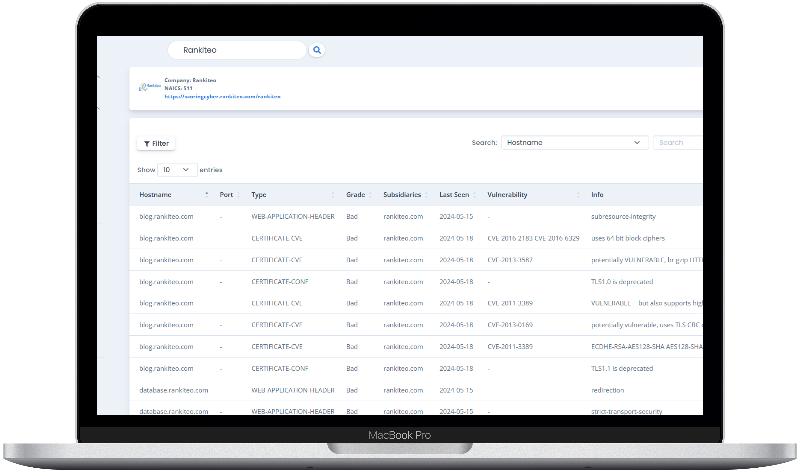
Identify exposed access points, detect misconfigured SSL certificates, and uncover vulnerabilities across the network infrastructure.
Gain visibility into the software components used within an organization to detect vulnerabilities, manage risk, and ensure supply chain security.
Monitor and manage all IT assets and their configurations to ensure accurate, real-time visibility across the company's technology environment.
Leverage real-time insights on active threats, malware campaigns, and emerging vulnerabilities to proactively defend against evolving cyberattacks.