









MIA
Company Details
Linkedin ID:
artsmia
Website:
Employees number:
337
Number of followers:
14,823
NAICS:
712
Industry Type:
Homepage:
artsmia.org
IP Addresses:
0
Company ID:
MIN_6789561
Scan Status:
In-progress


Minneapolis Institute of Art Vendor Cyber Rating & Cyber Score
artsmia.orgThe Minneapolis Institute of Art (Mia) enriches the community by collecting, preserving, and making accessible outstanding works of art from the world’s diverse cultures. Mia's permanent collection has grown from 800 works of art to almost 100,000 objects. The collection includes world-famous works that embody the highest levels of artistic achievement, spanning five thousand years and representing the world's diverse cultures across all continents. Mia has seven curatorial areas: Arts of Africa & the Americas; Contemporary Art; Decorative Arts, Textiles & Sculpture; Asian Art; Paintings; Photography and New Media; and Prints and Drawings.
Company Details
artsmia
337
14,823
712
artsmia.org
0
MIN_6789561
In-progress
 MIA Risk Score (AI oriented)
Between 750 and 799
 MIA Global Score (TPRM)
XXXX


No incidents recorded for Minneapolis Institute of Art in 2026.
No incidents recorded for Minneapolis Institute of Art in 2026.
No incidents recorded for Minneapolis Institute of Art in 2026.
MIA cyber incidents detection timeline including parent company and subsidiaries

The Minneapolis Institute of Art (Mia) enriches the community by collecting, preserving, and making accessible outstanding works of art from the world’s diverse cultures. Mia's permanent collection has grown from 800 works of art to almost 100,000 objects. The collection includes world-famous works that embody the highest levels of artistic achievement, spanning five thousand years and representing the world's diverse cultures across all continents. Mia has seven curatorial areas: Arts of Africa & the Americas; Contemporary Art; Decorative Arts, Textiles & Sculpture; Asian Art; Paintings; Photography and New Media; and Prints and Drawings.


History San José collects, preserves and celebrates the stories of diversity and innovation in San José and the Santa Clara Valley. History San José operates three locations: History Park — a historical and cultural campus featuring 19 partner organizations who each tell their own history in thei

Mattress Factory is a museum and experimental lab for living artists. Located in Pittsburgh's historic Northside, just minutes from Downtown Pittsburgh, Mattress Factory hosts artists from around the world who live and work at the museum as they create site-specific installation art that transforms

The Connecticut Museum of Culture and History is the go-to-destination for those who want to gain a deeper understanding of Connecticut’s culture and history. Here you will learn more about the critical role Connecticut continues to play in American history — and about the many cultures living in th

Our mission is: to provide a rich understanding and appreciation of the evolution of flight by telling stories related to our collections that provide inspiration to current and future generations. The first aviation museum in Calgary, "The Air Museum of Canada," was founded in 1960 but was largel

One of “Virginia’s Best Places to Visit” according to the Travel Channel, and designated as a National Historic Landmark, Pamplin Historical Park & The National Museum of the Civil War Soldier is a 424-acre Civil War campus located in Petersburg, Virginia offering a combination of high-tech museums
The RMSC includes the RMSC Museum & Science Center, the RMSC Strasenburgh Planetarium, and the RMSC Cumming Nature Center. Offering experiences at the Museum & Science Center with more than 200 interactive exhibits, Planetarium with a 65-foot dome and Nature Center on 900 acres, the RMSC stimulates

We’re here to turn on the science. Through education, in-person experiences, online learning, traveling exhibits, and community partnerships, the Science Museum of Minnesota is dedicated to collaborating with our community to create a world where everyone has the power to use science to make lives

The Ohio Museums Association is the leading advocate for connecting and empowering Ohio museums and museum professionals. OMA is the vital resource for strengthening Ohio museums. Founded in 1976 by members of the Ohio's museum community, OMA works with a variety of museums, museum professionals
Smack Mellon is a nonprofit arts organization located in DUMBO, Brooklyn. Smack Mellon’s mission is to nurture and support emerging, under-recognized mid-career, and women artists in the creation and exhibition of new work, by providing exhibition opportunities, studio workspace, and access to equip
.png)
The three took part in a panel discussion Tuesday afternoon in Walker Art Center, part of the Star Tribune's inaugural business conference.
Jim Denomie's vivid paintings tell stories of colonialism, oil pipelines, violence. Stories the artist himself wasn't aware of until adulthood.

Explore insights on cybersecurity incidents, risk posture, and Rankiteo's assessments.
The official website of Minneapolis Institute of Art is https://new.artsmia.org.
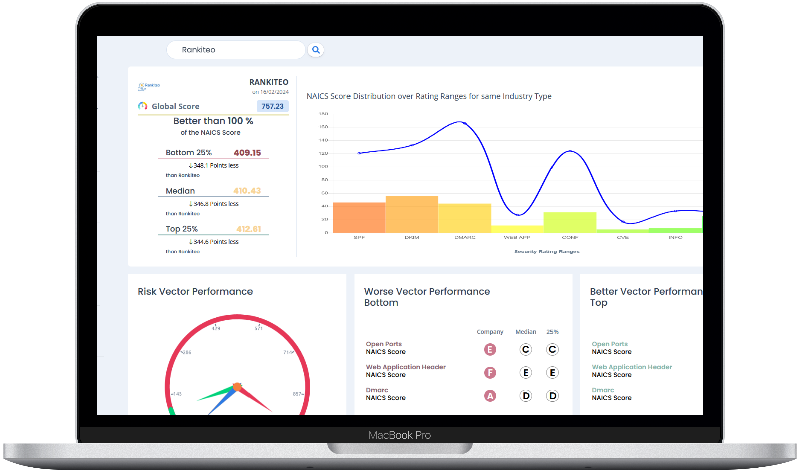
According to Rankiteo, Minneapolis Institute of Art’s AI-generated cybersecurity score is 765, reflecting their Fair security posture.
According to Rankiteo, Minneapolis Institute of Art currently holds 0 security badges, indicating that no recognized compliance certifications are currently verified for the organization.
According to Rankiteo, Minneapolis Institute of Art has not been affected by any supply chain cyber incidents, and no incident IDs are currently listed for the organization.
According to Rankiteo, Minneapolis Institute of Art is not certified under SOC 2 Type 1.
According to Rankiteo, Minneapolis Institute of Art does not hold a SOC 2 Type 2 certification.
According to Rankiteo, Minneapolis Institute of Art is not listed as GDPR compliant.
According to Rankiteo, Minneapolis Institute of Art does not currently maintain PCI DSS compliance.
According to Rankiteo, Minneapolis Institute of Art is not compliant with HIPAA regulations.
According to Rankiteo,Minneapolis Institute of Art is not certified under ISO 27001, indicating the absence of a formally recognized information security management framework.
Minneapolis Institute of Art operates primarily in the Museums, Historical Sites, and Zoos industry.
Minneapolis Institute of Art employs approximately 337 people worldwide.
Minneapolis Institute of Art presently has no subsidiaries across any sectors.
Minneapolis Institute of Art’s official LinkedIn profile has approximately 14,823 followers.
Minneapolis Institute of Art is classified under the NAICS code 712, which corresponds to Museums, Historical Sites, and Similar Institutions.
No, Minneapolis Institute of Art does not have a profile on Crunchbase.
Yes, Minneapolis Institute of Art maintains an official LinkedIn profile, which is actively utilized for branding and talent engagement, which can be accessed here: https://www.linkedin.com/company/artsmia.
As of April 04, 2026, Rankiteo reports that Minneapolis Institute of Art has not experienced any cybersecurity incidents.
Minneapolis Institute of Art has an estimated 2,193 peer or competitor companies worldwide.
Total Incidents: According to Rankiteo, Minneapolis Institute of Art has faced 0 incidents in the past.
Incident Types: The types of cybersecurity incidents that have occurred include .
.png)
nimiq/core-rs-albatross is a Rust implementation of the Nimiq Proof-of-Stake protocol based on the Albatross consensus algorithm. Prior to version 1.3.0, two peer-facing consensus request handlers assume that the history index is always available and call blockchain.history_store.history_index().unwrap() directly. That assumption is false by construction. HistoryStoreProxy::history_index() explicitly returns None for the valid HistoryStoreProxy::WithoutIndex state. when a full node is syncing or otherwise running without the history index, a remote peer can send RequestTransactionsProof or RequestTransactionReceiptsByAddress and trigger an Option::unwrap() panic on the request path. This issue has been patched in version 1.3.0.
PraisonAI is a multi-agent teams system. Prior to version 1.5.95, FileTools.download_file() in praisonaiagents validates the destination path but performs no validation on the url parameter, passing it directly to httpx.stream() with follow_redirects=True. An attacker who controls the URL can reach any host accessible from the server including cloud metadata services and internal network services. This issue has been patched in version 1.5.95.
PraisonAI is a multi-agent teams system. Prior to version 4.5.97, OAuthManager.validate_token() returns True for any token not found in its internal store, which is empty by default. Any HTTP request to the MCP server with an arbitrary Bearer token is treated as authenticated, granting full access to all registered tools and agent capabilities. This issue has been patched in version 4.5.97.
PraisonAI is a multi-agent teams system. Prior to version 4.5.97, the PraisonAI Gateway server accepts WebSocket connections at /ws and serves agent topology at /info with no authentication. Any network client can connect, enumerate registered agents, and send arbitrary messages to agents and their tool sets. This issue has been patched in version 4.5.97.
PraisonAI is a multi-agent teams system. Prior to version 4.5.90, MCPToolIndex.search_tools() compiles a caller-supplied string directly as a Python regular expression with no validation, sanitization, or timeout. A crafted regex causes catastrophic backtracking in the re engine, blocking the Python thread for hundreds of seconds and causing a complete service outage. This issue has been patched in version 4.5.90.

Get company history

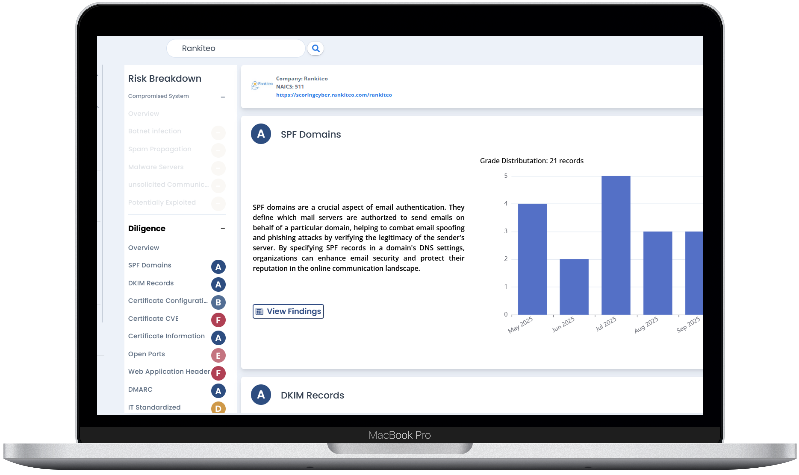
Every week, Rankiteo analyzes billions of signals to give organizations a sharper, faster view of emerging risks. With deeper, more actionable intelligence at their fingertips, security teams can outpace threat actors, respond instantly to Zero-Day attacks, and dramatically shrink their risk exposure window.
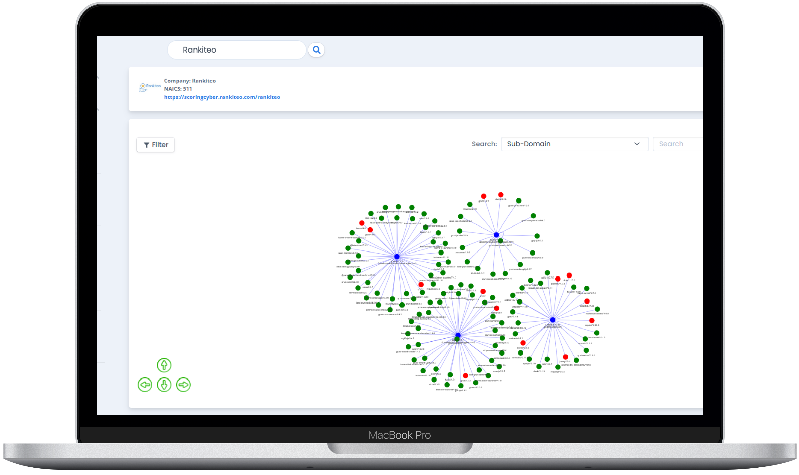
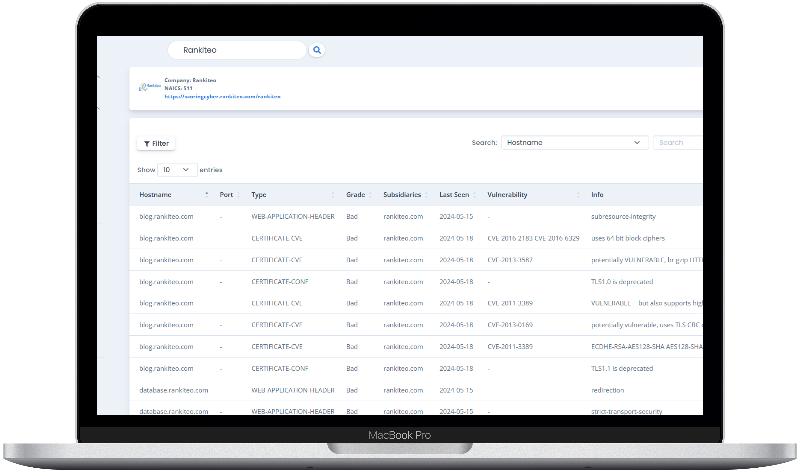
Identify exposed access points, detect misconfigured SSL certificates, and uncover vulnerabilities across the network infrastructure.
Gain visibility into the software components used within an organization to detect vulnerabilities, manage risk, and ensure supply chain security.
Monitor and manage all IT assets and their configurations to ensure accurate, real-time visibility across the company's technology environment.
Leverage real-time insights on active threats, malware campaigns, and emerging vulnerabilities to proactively defend against evolving cyberattacks.




 Rapid
Rapid