





UC
Company Details
Linkedin ID:
university-of-california
Employees number:
154,345
Number of followers:
92,794
NAICS:
6113
Industry Type:
Homepage:
universityofcalifornia.edu
IP Addresses:
0
Company ID:
UNI_4638326
Scan Status:
In-progress

University of California Company CyberSecurity Posture
universityofcalifornia.edu


No other university does as much for so many as the University of California. For almost 150 years, the University of California has educated the brightest minds and helped California become a beacon of innovation. Our campuses routinely are ranked among the best in the world. But our reach extends beyond campus borders. Our people connect the dots, exchange ideas, make advancements and unlock the secrets and mysteries of the universe every day. They engage local governments and underserved schools, save lives and improve health, protect the environment and push the boundaries of space. And it adds up to an immense direct impact on the economy. UC supports 430,000 jobs and contributes over $46 billion to the California economy each year.
Company Details
university-of-california
154,345
92,794
6113
universityofcalifornia.edu
0
UNI_4638326
In-progress
 UC Risk Score (AI oriented)
Between 800 and 849
 UC Global Score (TPRM)
XXXX
Description: In June 2015, the California Office of the Attorney General disclosed a data breach at the **University of California Irvine Medical Center**, where an employee improperly accessed patient records over an extended period—from **June 2011 to March 2015**. The unauthorized access exposed **personal health information (PHI)** of an **unknown number of patients**, though investigations found **no evidence of sensitive data being stolen or misused**. The breach stemmed from internal misconduct, highlighting vulnerabilities in **employee access controls and monitoring protocols**. While the exposed data included patient details, the lack of confirmed theft or external exploitation mitigated some risks. However, the prolonged duration of the breach (nearly **four years**) raised concerns about **compliance with healthcare privacy regulations (e.g., HIPAA)** and the potential for **reputational damage** due to the mishandling of confidential medical records. The incident underscored the need for stricter **audit trails, access restrictions, and employee training** to prevent similar internal breaches in healthcare institutions.
Description: The University of California, Irvine experienced a data breach reported on **May 14, 2014**, involving unauthorized access to its systems. The breach occurred due to computers being infected with a **keystroke logger** between **February 14 and March 27, 2014**, which potentially compromised **personal and unencrypted medical data** of individuals. The exact number of affected individuals remains **unknown**, raising concerns about the exposure of sensitive health information. The attack method suggests a targeted intrusion aimed at harvesting confidential data, likely through malicious software designed to capture keystrokes—including login credentials, medical records, or other personally identifiable information (PII). The breach underscores vulnerabilities in the university’s cybersecurity defenses, particularly in protecting high-risk data like medical records, which are subject to strict regulatory protections (e.g., HIPAA). The incident highlights the risks of **unauthorized data access** in academic institutions handling sensitive information, with potential long-term repercussions for trust, legal compliance, and individual privacy.
Description: An employee of UC Irvine Medical Center unethically viewed thousands of patient records over a four-year period. The incident compromised the personal health information including names, dates of birth, gender, medical record numbers, height, weight, medical center account numbers, allergy information, home address, medical documentation, diagnoses, test orders and results, of 4,859 patients . The center investigated the incident with the help of external security experts and notifies the affected patients.
Description: The five new MOVEit assaults victims revealed on the dark web leak site for the Clop ransomware organization include the industrial behemoths Siemens Energy, Schneider Electric, werum.com, UCLA (http://ucla.edu), Abbie (http://abbvie.com), and Abbie. Worldwide, vital national infrastructures use Industrial Control Systems (ICS) from Siemens Energy and Schneider Electric. Threat actors claim they were able to compromise 100 different firms utilizing the most recently revealed MOVEit Transfer vulnerability CVE-2023-34362. The US government offers rewards for information that leads to the arrest, indictment, or location of dangerous actors.
Description: UCLA Health experienced a data breach incident in September 2015 after one of its laptop got stolen. The stolen laptop contained the personal information of approximately 1,242 patient of the organization including names and medical record numbers. UCLA Health notified all affected patient and retraining those involved with the incident.
Description: UCLA health experienced a data breach incident that 94,000 patients personal information and health data to third parties. UCLA Health promptly disabled the use of the tools and launched an investigation. The compromised information includes patients’ URL/website addresses, provider names, specialty, ad campaign names, page views, IP addresses, third-party cookies, and hashed values of certain fields on the appointment request form, such as patient names, email addresses, mailing addresses, phone numbers, and genders. UCLA Health website and the UCLA Health mobile app were affected. The UCLA Health patient portal was not impacted.
Description: The California Office of the Attorney General reported a data breach at the University of California on May 13, 2021. The breach occurred on December 24, 2020, when an unauthorized third party accessed files containing personal information of UC community members, including Social Security numbers and financial information. Approximately 100 organizations were similarly attacked, but the number of affected individuals specific to UC is unknown.
Description: The California Office of the Attorney General reported that UC San Diego Health experienced a data breach due to a phishing attack, which occurred between January 9 and January 22, 2024. The breach involved unauthorized access to employee email accounts, potentially exposing personal information such as names and Social Security numbers, affecting an unspecified number of individuals. The breach was reported on March 8, 2024.
Description: UC San Diego Health suffered from a data breach that exposed number of patients, employees and others connected to UC San Diego Health potentially. It was found that the breach occurred via unauthorized access to some employee email accounts, but it did not affect the continuity of care for their patients. A UCSD Health spokesperson said Tuesday that ransomware, software often used to extort money from an organization, was not involved. The compromised information includes full names, addresses, dates of birth, email addresses, fax numbers, claims information including dates and costs of care received, laboratory results, medical diagnoses and conditions, medical record numbers, prescription information, treatment information, Social Security numbers, government identification numbers, financial account numbers, student identification numbers, usernames and passwords. They notified people, and the letters each person receives precisely reflect the information that would have been impacted for that particular person.
Description: The California Office of the Attorney General reported that UC San Diego Health experienced a data breach involving unauthorized access to employee email accounts. The incident occurred between December 2, 2020, and April 8, 2021, affecting personal information including Social Security numbers and medical details. The breach was reported on September 9, 2021.
Description: The California Office of the Attorney General reported that UC San Diego School of Medicine experienced a data breach on August 3, 2016. The breach involved personal information including names and social security numbers of trainees. The incident was reported on September 22, 2016.
Description: The California Office of the Attorney General reported a data breach at UC San Diego Health that occurred between November 20, 2017, and December 9, 2017, with notification issued on June 14, 2019. An unauthorized third party accessed a medical transcription platform, potentially compromising patient data such as names, dates of birth, and clinical information, but did not access Social Security numbers or financial account information. The number of individuals affected is currently unknown.
Description: UC San Diego Health suffered a data breach via its third-party vendor, Solv Health, between **September 13 and December 22, 2022**. The incident exposed sensitive personal information of individuals who used Solv Health’s scheduling websites. Compromised data may include **names, dates of birth, email addresses, and insurance details**, though the exact number of affected individuals remains undisclosed. The breach stems from a vulnerability or security lapse within Solv Health’s systems, indirectly impacting UC San Diego Health’s patients. While no financial or medical records appear to have been stolen, the exposure of personally identifiable information (PII) raises concerns over potential identity theft, phishing, or fraudulent activities targeting the victims. The breach underscores risks associated with third-party vendor dependencies in healthcare data management, where even non-direct attacks can erode trust and necessitate regulatory disclosures under laws like **HIPAA** or **CCPA**. UC San Diego Health likely faced reputational damage and operational disruptions in addressing the fallout, including notifications, credit monitoring offers, and system audits to prevent future incidents.
Description: UC San Diego Health experienced a ransomware attack threatening critical healthcare operations. As the medical industry increases reliance on technology, such attacks can have dire consequences on patient care and outcomes. The attack's costliness, with an average of $11 million according to IBM, poses risks to smaller healthcare systems' existence, potentially leading to their permanent closure. Patients in remote areas would be most affected due to the scarcity of nearby medical facilities. In response, federal funding has been allocated to develop better preventative and mitigative measures, focusing on cybersecurity in healthcare.
Description: The University of California San Francisco suffered a significant ransomware attack at the hands of the NetWalker group, which resulted in the loss of access to critical data. In order to recover the encrypted files, UCSF was compelled to pay a substantial ransom of $1.14 million. This incident stressed the vulnerability of major institutions to sophisticated cyber threats, particularly during sensitive times such as the COVID-19 pandemic when reliance on digital infrastructure is at its peak. The attack not only financially impacted the university but also highlighted the potential risks to privacy and the continuation of essential services.
Description: The California Office of the Attorney General reported a data breach involving the University of California San Francisco (UCSF) on November 21, 2013. The breach occurred on September 25, 2013, when an unencrypted personal laptop containing identifiable health information was stolen from a physician's locked vehicle. The stolen laptop contained sensitive health information, which could potentially compromise the privacy and security of the affected individuals.
Description: The University of California, San Francisco (UCSF) experienced a data breach on **February 9, 2023**, disclosed on **April 26, 2023**, due to a **phishing attack** targeting UCSF email accounts. The breach exposed sensitive personal information of individuals, including **First Name, Last Name, Date of Birth, Medical Record Number (MRN), and Date of Service**. The exact number of affected individuals remains undetermined, but the compromised data poses risks of identity theft, medical fraud, or targeted scams. The attack exploited human vulnerability through phishing, leading to unauthorized access to employee email accounts, which likely contained or facilitated access to patient records. While no ransomware was involved, the exposure of **protected health information (PHI)**—particularly MRNs and service dates—heightens concerns over compliance violations (e.g., HIPAA) and potential misuse of medical data. The breach underscores the persistent threat of social engineering attacks in healthcare institutions, where employee credentials serve as gateways to highly sensitive systems.
Description: The California Office of the Attorney General reported a data breach involving the University of California San Francisco (UCSF) on November 13, 2020. The breach occurred on June 1, 2020, due to a cybersecurity attack that resulted in unauthorized access to personal information, including names and social security numbers, affecting an unspecified number of individuals. UCSF paid the attacker to recover encrypted data and has offered credit monitoring services to impacted individuals.


No incidents recorded for University of California in 2025.
No incidents recorded for University of California in 2025.
No incidents recorded for University of California in 2025.
UC cyber incidents detection timeline including parent company and subsidiaries

No other university does as much for so many as the University of California. For almost 150 years, the University of California has educated the brightest minds and helped California become a beacon of innovation. Our campuses routinely are ranked among the best in the world. But our reach extends beyond campus borders. Our people connect the dots, exchange ideas, make advancements and unlock the secrets and mysteries of the universe every day. They engage local governments and underserved schools, save lives and improve health, protect the environment and push the boundaries of space. And it adds up to an immense direct impact on the economy. UC supports 430,000 jobs and contributes over $46 billion to the California economy each year.


McGill University is one of Canada's best-known institutions of higher learning and one of the leading universities in the world. With students coming to McGill from some 150 countries, our student body is the most internationally diverse of any research-intensive university in the country. McGill

ASU has developed a new model for the American research university, creating an institution committed to excellence, access and impact — the New American University. Nationally and internationally acclaimed, ASU ranks among the very best in nearly every critical measurement of student success, out

Baylor College of Medicine is a health sciences university that creates knowledge and applies science and discoveries to further education, healthcare and community service locally and globally. Located in the Texas Medical Center, Baylor College of Medicine has affiliations with eight teaching hosp

Alma Mater Studiorum - Università di Bologna operates on the principle that every individual carries within themselves a unique and unrepeatable potential. Active listening and dialogue guide the work of the University of Bologna, which promotes, in all its activities, inclusion, equity, and dive

The University of Virginia was founded in 1819 as the model for modern universities that has since been emulated all over the world. After 200 years, this iconic institution of higher learning endures because it is fully immersed in meeting the greatest challenges of our time, day in and day out. It

Washington State University is a nationally recognized land-grant research university, founded in Pullman in 1890. WSU’s statewide system includes campuses in Pullman, Spokane, Everett, Tri-Cities and Vancouver, with extension and research offices in every county of the state, and a nationally ranke

York University is a diverse community of students, faculty, and staff driving positive change. As one of the largest post-secondary communities in the world and with a uniquely global perspective, we are driven by passion and purpose as part of a forward-thinking collective bringing enduring val

Welcome to the official LinkedIn page for the University of Birmingham . We have been challenging and developing great minds for more than a century. Characterised by a tradition of innovation, research at the University has broken new ground, pushed forward the boundaries of knowledge and made an i

Founded in 1831, NYU is one of the world’s foremost research universities and is a member of the selective Association of American Universities. The first Global Network University, NYU has degree-granting university campuses in New York and Abu Dhabi, and has announced a third in Shanghai; has a do
.png)
As cybercrime surges, UC Davis computer scientist Matt Bishop aims to build a stronger frontline. His SWEEPS initiative trains developers to...
The long-running dispute centers on Trellix, a cybersecurity software UC now requires on all university-owned computers used by faculty and even...
A national priority · The Center for Healthcare Cybersecurity is shaping the future of health care in the digital age by protecting patients as...
New research from UC San Diego reveals that generic cybersecurity training often fails to capture people's attention.
By Rebecca Kendall, UCLA Newsroom. October is Cybersecurity Awareness Month, a nationwide effort to highlight digital security threats and...
UCR computer scientists boost US cybersecurity ... As cyber threats grow more sophisticated by the day, UC Riverside researchers are making...
Cybersecurity training programs as implemented today by most large companies do little to reduce the risk that employees will fall for...
In this 10-minute audio interview, cybersecurity expert Sean Peisert shares how Berkeley Lab advances research that protects...
19 and 20, from 9 a.m. to 12 p.m. Organized around the theme, “Building Resilient Communities,” this year's event will explore how cybersecurity...

Explore insights on cybersecurity incidents, risk posture, and Rankiteo's assessments.
The official website of University of California is http://jobs.universityofcalifornia.edu.
According to Rankiteo, University of California’s AI-generated cybersecurity score is 810, reflecting their Good security posture.
According to Rankiteo, University of California currently holds 0 security badges, indicating that no recognized compliance certifications are currently verified for the organization.
According to Rankiteo, University of California is not certified under SOC 2 Type 1.
According to Rankiteo, University of California does not hold a SOC 2 Type 2 certification.
According to Rankiteo, University of California is not listed as GDPR compliant.
According to Rankiteo, University of California does not currently maintain PCI DSS compliance.
According to Rankiteo, University of California is not compliant with HIPAA regulations.
According to Rankiteo,University of California is not certified under ISO 27001, indicating the absence of a formally recognized information security management framework.
University of California operates primarily in the Higher Education industry.
University of California employs approximately 154,345 people worldwide.
University of California presently has no subsidiaries across any sectors.
University of California’s official LinkedIn profile has approximately 92,794 followers.
University of California is classified under the NAICS code 6113, which corresponds to Colleges, Universities, and Professional Schools.
No, University of California does not have a profile on Crunchbase.
Yes, University of California maintains an official LinkedIn profile, which is actively utilized for branding and talent engagement, which can be accessed here: https://www.linkedin.com/company/university-of-california.
As of December 20, 2025, Rankiteo reports that University of California has experienced 18 cybersecurity incidents.
University of California has an estimated 14,864 peer or competitor companies worldwide.
Incident Types: The types of cybersecurity incidents that have occurred include Data Leak, Breach and Ransomware.
Total Financial Loss: The total financial loss from these incidents is estimated to be $12.14 million.
Detection and Response: The company detects and responds to cybersecurity incidents through an remediation measures with retraining involved personnel, remediation measures with notifying affected patients, and third party assistance with external security experts, and communication strategy with notifies the affected patients, and communication strategy with individuals were notified, and the letters each person receives precisely reflect the information that would have been impacted for that particular person., and containment measures with disabled the use of the tools, and communication strategy with public disclosure via california office of the attorney general, and communication strategy with public disclosure via california office of the attorney general..
Title: UCLA Health Data Breach
Description: UCLA Health experienced a data breach incident in September 2015 after one of its laptops got stolen. The stolen laptop contained the personal information of approximately 1,242 patients of the organization including names and medical record numbers. UCLA Health notified all affected patients and retrained those involved with the incident.
Date Detected: 2015-09
Type: Data Breach
Attack Vector: Theft of Laptop
Title: Unauthorized Access to Patient Records at UC Irvine Medical Center
Description: An employee of UC Irvine Medical Center unethically viewed thousands of patient records over a four-year period. The incident compromised the personal health information including names, dates of birth, gender, medical record numbers, height, weight, medical center account numbers, allergy information, home address, medical documentation, diagnoses, test orders and results, of 4,859 patients.
Type: Data Breach
Attack Vector: Unauthorized Access
Vulnerability Exploited: Insider Threat
Threat Actor: Employee
Motivation: Unethical Behavior
Title: UC San Diego Health Data Breach
Description: UC San Diego Health suffered from a data breach that exposed the information of patients, employees, and others connected to UC San Diego Health potentially.
Type: Data Breach
Attack Vector: Unauthorized access to employee email accounts
Title: UCLA Health Data Breach
Description: UCLA Health experienced a data breach incident affecting 94,000 patients' personal information and health data to third parties.
Type: Data Breach
Title: MOVEit Transfer Vulnerability Exploitation by Clop Ransomware Group
Description: The Clop ransomware group exploited the MOVEit Transfer vulnerability CVE-2023-34362 to compromise multiple organizations, including Siemens Energy, Schneider Electric, Werum, UCLA, and AbbVie.
Type: Data Breach and Ransomware Attack
Attack Vector: Vulnerability Exploitation
Vulnerability Exploited: CVE-2023-34362
Threat Actor: Clop Ransomware Group
Motivation: Financial Gain
Title: UC San Diego Health Ransomware Attack
Description: UC San Diego Health experienced a ransomware attack threatening critical healthcare operations. As the medical industry increases reliance on technology, such attacks can have dire consequences on patient care and outcomes. The attack's costliness, with an average of $11 million according to IBM, poses risks to smaller healthcare systems' existence, potentially leading to their permanent closure. Patients in remote areas would be most affected due to the scarcity of nearby medical facilities. In response, federal funding has been allocated to develop better preventative and mitigative measures, focusing on cybersecurity in healthcare.
Type: Ransomware
Motivation: Financial Gain
Title: UCSF Ransomware Attack
Description: The University of California San Francisco suffered a significant ransomware attack at the hands of the NetWalker group, which resulted in the loss of access to critical data. In order to recover the encrypted files, UCSF was compelled to pay a substantial ransom of $1.14 million. This incident stressed the vulnerability of major institutions to sophisticated cyber threats, particularly during sensitive times such as the COVID-19 pandemic when reliance on digital infrastructure is at its peak. The attack not only financially impacted the university but also highlighted the potential risks to privacy and the continuation of essential services.
Type: Ransomware
Threat Actor: NetWalker group
Motivation: Financial Gain
Title: UC San Diego Health Data Breach
Description: The California Office of the Attorney General reported that UC San Diego Health experienced a data breach due to a phishing attack, which occurred between January 9 and January 22, 2024. The breach involved unauthorized access to employee email accounts, potentially exposing personal information such as names and Social Security numbers, affecting an unspecified number of individuals. The breach was reported on March 8, 2024.
Date Detected: 2024-03-08
Date Publicly Disclosed: 2024-03-08
Type: Data Breach
Attack Vector: Phishing
Vulnerability Exploited: Human
Title: Data Breach at University of California San Francisco
Description: The California Office of the Attorney General reported a data breach involving the University of California San Francisco (UCSF) on November 13, 2020. The breach occurred on June 1, 2020, due to a cybersecurity attack that resulted in unauthorized access to personal information, including names and social security numbers, affecting an unspecified number of individuals. UCSF paid the attacker to recover encrypted data and has offered credit monitoring services to impacted individuals.
Date Detected: 2020-06-01
Date Publicly Disclosed: 2020-11-13
Type: Data Breach
Title: Data Breach at UC San Diego Health
Description: An unauthorized third party accessed a medical transcription platform, potentially compromising patient data such as names, dates of birth, and clinical information, but did not access Social Security numbers or financial account information.
Date Publicly Disclosed: 2019-06-14
Type: Data Breach
Attack Vector: Unauthorized Access
Threat Actor: Unauthorized Third Party
Title: Data Breach at University of California San Francisco (UCSF)
Description: A data breach occurred when an unencrypted personal laptop containing identifiable health information was stolen from a physician's locked vehicle.
Date Detected: 2013-09-25
Date Publicly Disclosed: 2013-11-21
Type: Data Breach
Attack Vector: Physical Theft
Vulnerability Exploited: Unencrypted Data
Threat Actor: Unknown
Motivation: Unknown
Title: UC San Diego School of Medicine Data Breach
Description: The California Office of the Attorney General reported that UC San Diego School of Medicine experienced a data breach involving personal information including names and social security numbers of trainees.
Date Detected: 2016-08-03
Date Publicly Disclosed: 2016-09-22
Type: Data Breach
Title: Data Breach at University of California
Description: The California Office of the Attorney General reported a data breach at the University of California on May 13, 2021. The breach occurred on December 24, 2020, when an unauthorized third party accessed files containing personal information of UC community members, including Social Security numbers and financial information. Approximately 100 organizations were similarly attacked, but the number of affected individuals specific to UC is unknown.
Date Detected: 2021-05-13
Date Publicly Disclosed: 2021-05-13
Type: Data Breach
Attack Vector: Unauthorized Access
Threat Actor: Unauthorized Third Party
Title: UC San Diego Health Data Breach
Description: Unauthorized access to employee email accounts compromising personal information including Social Security numbers and medical details.
Date Detected: April 8, 2021
Date Publicly Disclosed: September 9, 2021
Type: Data Breach
Attack Vector: Email Compromise
Title: Data Breach at University of California, San Francisco (UCSF) via Phishing Attack
Description: The California Office of the Attorney General reported a data breach involving the University of California, San Francisco (UCSF) on April 26, 2023. The breach occurred on February 9, 2023, due to a phishing attack that compromised some UCSF email accounts, potentially exposing individuals' First Name, Last Name, Date of Birth, MRN (Medical Record Number), and Date of Service. The number of individuals affected is currently unknown.
Date Detected: 2023-02-09
Date Publicly Disclosed: 2023-04-26
Type: Data Breach
Attack Vector: Phishing
Title: UC San Diego Health Data Breach via Vendor Solv Health
Description: The California Office of the Attorney General reported that UC San Diego Health experienced a data breach involving its vendor, Solv Health, between September 13 and December 22, 2022. The breach may have compromised personal information such as names, dates of birth, email addresses, and insurance types for individuals who used scheduling websites, affecting an unknown number of individuals.
Type: Data Breach
Title: University of California Irvine Medical Center Data Breach (2011-2015)
Description: An employee improperly accessed patient records between June 2011 and March 2015 at the University of California Irvine Medical Center. The breach potentially affected an unknown number of patients, exposing various personal health information, but no evidence was found of sensitive information being removed.
Date Detected: 2015-03-01
Date Publicly Disclosed: 2015-06-17
Type: Data Breach (Insider Threat)
Attack Vector: Insider Access Abuse
Threat Actor: Internal Employee
Motivation: Unknown (Potentially Unauthorized Curiosity or Malicious Intent)
Title: University of California, Irvine Data Breach (2014)
Description: The California Office of the Attorney General reported a data breach by the University of California, Irvine on May 14, 2014. The breach involved unauthorized access to computers infected with a keystroke logger between February 14 and March 27, 2014, potentially affecting personal information for individuals, including unencrypted medical data. The number of individuals affected is unknown.
Date Detected: 2014-03-27
Date Publicly Disclosed: 2014-05-14
Type: Data Breach
Attack Vector: Keystroke Logger (Malware)
Common Attack Types: The most common types of attacks the company has faced is Breach.
Identification of Attack Vectors: The company identifies the attack vectors used in incidents through Employee email accounts, Phishing email, Email Compromise and Phishing (compromised email accounts).

Data Compromised: Names, Medical record numbers
Data Compromised: Names, Dates of birth, Gender, Medical record numbers, Height, Weight, Medical center account numbers, Allergy information, Home address, Medical documentation, Diagnoses, Test orders and results
Data Compromised: Full names, Addresses, Dates of birth, Email addresses, Fax numbers, Claims information including dates and costs of care received, Laboratory results, Medical diagnoses and conditions, Medical record numbers, Prescription information, Treatment information, Social security numbers, Government identification numbers, Financial account numbers, Student identification numbers, Usernames and passwords
Data Compromised: Url/website addresses, Provider names, Specialty, Ad campaign names, Page views, Ip addresses, Third-party cookies, Hashed values of certain fields on the appointment request form, such as patient names, email addresses, mailing addresses, phone numbers, and genders
Systems Affected: UCLA Health websiteUCLA Health mobile app

Financial Loss: Average of $11 million
Systems Affected: Critical healthcare operations
Operational Impact: Threat to patient care and outcomes
Financial Loss: $1.14 million
Systems Affected: Critical data systems
Operational Impact: Loss of access to critical data
Data Compromised: Names, Social security numbers
Systems Affected: Employee email accounts
Data Compromised: Names, Social security numbers
Data Compromised: Names, Dates of birth, Clinical information
Systems Affected: Medical Transcription Platform
Data Compromised: Identifiable Health Information
Systems Affected: Personal Laptop
Data Compromised: Names, Social security numbers
Data Compromised: Social security numbers, Financial information
Data Compromised: Social security numbers, Medical details
Data Compromised: First name, Last name, Date of birth, Mrn, Date of service
Systems Affected: Email Accounts
Identity Theft Risk: Potential (PII exposed)
Data Compromised: Names, Dates of birth, Email addresses, Insurance types
Systems Affected: scheduling websites
Identity Theft Risk: Potential
Data Compromised: Personal health information (phi)
Brand Reputation Impact: Potential Reputational Harm (Healthcare Trust Erosion)
Identity Theft Risk: Low (No Evidence of Data Exfiltration)
Data Compromised: Personal information, Unencrypted medical data
Systems Affected: Computers
Identity Theft Risk: Potential
Average Financial Loss: The average financial loss per incident is $674.44 thousand.
Commonly Compromised Data Types: The types of data most commonly compromised in incidents are Personal Information, , Names, Dates Of Birth, Gender, Medical Record Numbers, Height, Weight, Medical Center Account Numbers, Allergy Information, Home Address, Medical Documentation, Diagnoses, Test Orders And Results, , Full Names, Addresses, Dates Of Birth, Email Addresses, Fax Numbers, Claims Information Including Dates And Costs Of Care Received, Laboratory Results, Medical Diagnoses And Conditions, Medical Record Numbers, Prescription Information, Treatment Information, Social Security Numbers, Government Identification Numbers, Financial Account Numbers, Student Identification Numbers, Usernames And Passwords, , Personal Information, Health Data, , Names, Social Security Numbers, , Names, Social Security Numbers, , Names, Dates Of Birth, Clinical Information, , Identifiable Health Information, Names, Social Security Numbers, , Social Security Numbers, Financial Information, , Social Security Numbers, Medical Details, , Personally Identifiable Information (Pii), Protected Health Information (Phi), , Personal Information, , Personal Health Information (PHI), Personal Information, Medical Data and .
Entity Name: UCLA Health
Entity Type: Healthcare Provider
Industry: Healthcare
Customers Affected: 1,242
Entity Name: UC Irvine Medical Center
Entity Type: Hospital
Industry: Healthcare
Location: Irvine, CA
Customers Affected: 4,859 patients
Entity Name: UC San Diego Health
Entity Type: Healthcare
Industry: Healthcare
Location: San Diego, CA
Entity Name: UCLA Health
Entity Type: Healthcare Provider
Industry: Healthcare
Location: Los Angeles, California
Customers Affected: 94,000
Entity Name: Siemens Energy
Entity Type: Industrial Control Systems Provider
Industry: Energy
Entity Name: Schneider Electric
Entity Type: Industrial Control Systems Provider
Industry: Energy Management and Automation
Entity Name: Werum
Entity Type: Software Company
Industry: Pharmaceuticals and Biotech
Entity Name: UCLA
Entity Type: University
Industry: Education
Location: Los Angeles, CA
Entity Name: AbbVie
Entity Type: Pharmaceutical Company
Industry: Pharmaceuticals
Entity Name: UC San Diego Health
Entity Type: Healthcare Provider
Industry: Healthcare
Location: San Diego, California
Entity Name: University of California San Francisco
Entity Type: Educational Institution
Industry: Education
Location: San Francisco, CA
Entity Name: UC San Diego Health
Entity Type: Healthcare
Industry: Healthcare
Location: San Diego, California
Entity Name: University of California San Francisco
Entity Type: Educational Institution
Industry: Education
Location: San Francisco, California
Entity Name: UC San Diego Health
Entity Type: Healthcare
Industry: Healthcare
Location: San Diego, California
Entity Name: University of California San Francisco (UCSF)
Entity Type: Educational Institution
Industry: Healthcare
Location: San Francisco, California
Entity Name: UC San Diego School of Medicine
Entity Type: Educational Institution
Industry: Education
Location: San Diego, California
Entity Name: University of California
Entity Type: Educational Institution
Industry: Education
Location: California
Entity Name: UC San Diego Health
Entity Type: Healthcare
Industry: Healthcare
Location: San Diego, California
Entity Name: University of California, San Francisco (UCSF)
Entity Type: Educational Institution / Healthcare Provider
Industry: Education, Healthcare
Location: San Francisco, California, USA
Customers Affected: Unknown
Entity Name: UC San Diego Health
Entity Type: Healthcare Provider
Industry: Healthcare
Location: California, USA
Customers Affected: Unknown
Entity Name: Solv Health
Entity Type: Vendor
Industry: Healthcare Technology
Customers Affected: Unknown
Entity Name: University of California Irvine Medical Center
Entity Type: Healthcare Provider / Academic Medical Center
Industry: Healthcare
Location: Orange, California, USA
Customers Affected: Unknown (Patients)
Entity Name: University of California, Irvine
Entity Type: Educational Institution
Industry: Higher Education
Location: Irvine, California, USA
Customers Affected: Unknown
Remediation Measures: Retraining involved personnelNotifying affected patients
Third Party Assistance: external security experts
Communication Strategy: notifies the affected patients
Communication Strategy: Individuals were notified, and the letters each person receives precisely reflect the information that would have been impacted for that particular person.
Containment Measures: Disabled the use of the tools
Communication Strategy: Public disclosure via California Office of the Attorney General
Communication Strategy: Public Disclosure via California Office of the Attorney General
Third-Party Assistance: The company involves third-party assistance in incident response through external security experts.
Type of Data Compromised: Personal information
Number of Records Exposed: 1,242
Sensitivity of Data: High
Personally Identifiable Information: NamesMedical Record Numbers
Type of Data Compromised: Names, Dates of birth, Gender, Medical record numbers, Height, Weight, Medical center account numbers, Allergy information, Home address, Medical documentation, Diagnoses, Test orders and results
Number of Records Exposed: 4,859
Sensitivity of Data: High
Personally Identifiable Information: namesdates of birthgendermedical record numbersheightweightmedical center account numbersallergy informationhome address
Type of Data Compromised: Full names, Addresses, Dates of birth, Email addresses, Fax numbers, Claims information including dates and costs of care received, Laboratory results, Medical diagnoses and conditions, Medical record numbers, Prescription information, Treatment information, Social security numbers, Government identification numbers, Financial account numbers, Student identification numbers, Usernames and passwords
Sensitivity of Data: High
Type of Data Compromised: Personal information, Health data
Number of Records Exposed: 94,000
Sensitivity of Data: High
Personally Identifiable Information: Patient namesEmail addressesMailing addressesPhone numbersGenders
Type of Data Compromised: Names, Social security numbers
Sensitivity of Data: High
Type of Data Compromised: Names, Social security numbers
Type of Data Compromised: Names, Dates of birth, Clinical information
Sensitivity of Data: High
Personally Identifiable Information: NamesDates of Birth
Type of Data Compromised: Identifiable Health Information
Sensitivity of Data: High
Data Encryption: No
Personally Identifiable Information: Yes
Type of Data Compromised: Names, Social security numbers
Sensitivity of Data: High
Type of Data Compromised: Social security numbers, Financial information
Sensitivity of Data: High
Personally Identifiable Information: Social Security numbers
Type of Data Compromised: Social security numbers, Medical details
Sensitivity of Data: High
Type of Data Compromised: Personally identifiable information (pii), Protected health information (phi)
Number of Records Exposed: Unknown
Sensitivity of Data: High (includes MRN and PHI)
Personally Identifiable Information: First NameLast NameDate of BirthMRNDate of Service
Type of Data Compromised: Personal information
Number of Records Exposed: Unknown
Sensitivity of Data: Moderate (PII)
Data Exfiltration: Likely
Personally Identifiable Information: namesdates of birthemail addresses
Type of Data Compromised: Personal Health Information (PHI)
Number of Records Exposed: Unknown
Sensitivity of Data: High (Health Records)
Data Exfiltration: No Evidence
Personally Identifiable Information: Likely (PHI includes PII elements)
Type of Data Compromised: Personal information, Medical data
Number of Records Exposed: Unknown
Sensitivity of Data: High (Unencrypted Medical Data)
Data Exfiltration: Potential
Data Encryption: No (Data was unencrypted)
Personally Identifiable Information: Yes
Prevention of Data Exfiltration: The company takes the following measures to prevent data exfiltration: Retraining involved personnel, Notifying affected patients, .
Handling of PII Incidents: The company handles incidents involving personally identifiable information (PII) through by disabled the use of the tools.
Ransomware Strain: Clop
Ransom Demanded: $1.14 million
Ransom Paid: $1.14 million
Ransomware Strain: NetWalker
Data Encryption: Yes
Data Encryption: True
Regulations Violated: Potentially HIPAA (Health Insurance Portability and Accountability Act), California Consumer Privacy Act (CCPA),
Regulatory Notifications: California Office of the Attorney General
Regulatory Notifications: California Office of the Attorney General
Regulations Violated: HIPAA (Potential Violation), California Data Breach Notification Law,
Regulatory Notifications: California Office of the Attorney General
Regulatory Notifications: California Office of the Attorney General
Recommendations: Federal funding allocated to develop better preventative and mitigative measures, focusing on cybersecurity in healthcare.
Implemented Recommendations: The company has implemented the following recommendations to improve cybersecurity: Federal funding allocated to develop better preventative and mitigative measures and focusing on cybersecurity in healthcare..
Source: UCLA Health
Source: California Office of the Attorney General
Date Accessed: 2024-03-08
Source: California Office of the Attorney General
Date Accessed: 2020-11-13
Source: California Office of the Attorney General
Source: California Office of the Attorney General
Source: California Office of the Attorney General
Source: California Office of the Attorney General
Date Accessed: 2021-05-13
Source: California Office of the Attorney General
Date Accessed: September 9, 2021
Source: California Office of the Attorney General
Date Accessed: 2023-04-26
Source: California Office of the Attorney General
Source: California Office of the Attorney General
Date Accessed: 2015-06-17
Source: California Office of the Attorney General
Additional Resources: Stakeholders can find additional resources on cybersecurity best practices at and Source: UCLA Health, and Source: UCLAUrl: http://ucla.edu, and Source: AbbVieUrl: http://abbvie.com, and Source: California Office of the Attorney GeneralDate Accessed: 2024-03-08, and Source: California Office of the Attorney GeneralDate Accessed: 2020-11-13, and Source: California Office of the Attorney General, and Source: California Office of the Attorney General, and Source: California Office of the Attorney General, and Source: California Office of the Attorney GeneralDate Accessed: 2021-05-13, and Source: California Office of the Attorney GeneralDate Accessed: September 9, 2021, and Source: California Office of the Attorney GeneralDate Accessed: 2023-04-26, and Source: California Office of the Attorney General, and Source: California Office of the Attorney GeneralDate Accessed: 2015-06-17, and Source: California Office of the Attorney General.
Investigation Status: Ongoing
Investigation Status: Completed (No Evidence of Data Theft)
Communication of Investigation Status: The company communicates the status of incident investigations to stakeholders through notifies the affected patients, Individuals were notified, and the letters each person receives precisely reflect the information that would have been impacted for that particular person., Public disclosure via California Office of the Attorney General and Public Disclosure via California Office of the Attorney General.
Entry Point: Employee email accounts
Entry Point: Phishing email
Entry Point: Email Compromise
Entry Point: Phishing (compromised email accounts)
Root Causes: Lack of Access Controls / Monitoring for Insider Threats
Post-Incident Analysis Process: The company's process for conducting post-incident analysis is described as external security experts.
Ransom Payment History: The company has Paid ransoms in the past.
Last Ransom Demanded: The amount of the last ransom demanded was $1.14 million.
Last Attacking Group: The attacking group in the last incident were an Employee, Clop Ransomware Group, NetWalker group, Unauthorized Third Party, Unknown, Unauthorized Third Party and Internal Employee.
Most Recent Incident Detected: The most recent incident detected was on 2015-09.
Most Recent Incident Publicly Disclosed: The most recent incident publicly disclosed was on 2014-05-14.
Highest Financial Loss: The highest financial loss from an incident was $1.14 million.
Most Significant Data Compromised: The most significant data compromised in an incident were Names, Medical Record Numbers, , names, dates of birth, gender, medical record numbers, height, weight, medical center account numbers, allergy information, home address, medical documentation, diagnoses, test orders and results, , full names, addresses, dates of birth, email addresses, fax numbers, claims information including dates and costs of care received, laboratory results, medical diagnoses and conditions, medical record numbers, prescription information, treatment information, Social Security numbers, government identification numbers, financial account numbers, student identification numbers, usernames and passwords, , URL/website addresses, Provider names, Specialty, Ad campaign names, Page views, IP addresses, Third-party cookies, Hashed values of certain fields on the appointment request form, such as patient names, email addresses, mailing addresses, phone numbers, and genders, , Names, Social Security numbers, , names, social security numbers, , Names, Dates of Birth, Clinical Information, , Identifiable Health Information, names, social security numbers, , Social Security numbers, Financial information, , Social Security numbers, medical details, , First Name, Last Name, Date of Birth, MRN, Date of Service, , names, dates of birth, email addresses, insurance types, , Personal Health Information (PHI), , Personal Information, Unencrypted Medical Data and .
Most Significant System Affected: The most significant system affected in an incident was UCLA Health websiteUCLA Health mobile app and and and Employee email accounts and Medical Transcription Platform and and Email Accounts and scheduling websites and Computers.
Third-Party Assistance in Most Recent Incident: The third-party assistance involved in the most recent incident was external security experts.
Containment Measures in Most Recent Incident: The containment measures taken in the most recent incident was Disabled the use of the tools.
Most Sensitive Data Compromised: The most sensitive data compromised in a breach were medical record numbers, prescription information, Personal Information, Ad campaign names, email addresses, insurance types, test orders and results, gender, student identification numbers, Dates of Birth, Clinical Information, fax numbers, Social Security numbers, medical details, Date of Service, medical documentation, Personal Health Information (PHI), First Name, Identifiable Health Information, Provider names, usernames and passwords, Page views, medical center account numbers, claims information including dates and costs of care received, addresses, government identification numbers, names, Medical Record Numbers, Names, height, MRN, weight, Unencrypted Medical Data, medical diagnoses and conditions, Specialty, treatment information, diagnoses, home address, social security numbers, IP addresses, Financial information, laboratory results, Last Name, full names, Hashed values of certain fields on the appointment request form, such as patient names, email addresses, mailing addresses, phone numbers, and genders, Third-party cookies, Date of Birth, allergy information, financial account numbers, URL/website addresses and dates of birth.
Number of Records Exposed in Most Significant Breach: The number of records exposed in the most significant breach was 100.1K.
Highest Ransom Demanded: The highest ransom demanded in a ransomware incident was $1.14 million.
Highest Ransom Paid: The highest ransom paid in a ransomware incident was $1.14 million.
Most Significant Recommendation Implemented: The most significant recommendation implemented to improve cybersecurity was Federal funding allocated to develop better preventative and mitigative measures and focusing on cybersecurity in healthcare..
Most Recent Source: The most recent source of information about an incident are AbbVie, UCLA, UCLA Health and California Office of the Attorney General.
Most Recent URL for Additional Resources: The most recent URL for additional resources on cybersecurity best practices is http://ucla.edu, http://abbvie.com .
Current Status of Most Recent Investigation: The current status of the most recent investigation is Ongoing.
Most Recent Entry Point: The most recent entry point used by an initial access broker were an Phishing (compromised email accounts), Phishing email, Employee email accounts and Email Compromise.
.png)
n8n is an open source workflow automation platform. Versions starting with 0.211.0 and prior to 1.120.4, 1.121.1, and 1.122.0 contain a critical Remote Code Execution (RCE) vulnerability in their workflow expression evaluation system. Under certain conditions, expressions supplied by authenticated users during workflow configuration may be evaluated in an execution context that is not sufficiently isolated from the underlying runtime. An authenticated attacker could abuse this behavior to execute arbitrary code with the privileges of the n8n process. Successful exploitation may lead to full compromise of the affected instance, including unauthorized access to sensitive data, modification of workflows, and execution of system-level operations. This issue has been fixed in versions 1.120.4, 1.121.1, and 1.122.0. Users are strongly advised to upgrade to a patched version, which introduces additional safeguards to restrict expression evaluation. If upgrading is not immediately possible, administrators should consider the following temporary mitigations: Limit workflow creation and editing permissions to fully trusted users only; and/or deploy n8n in a hardened environment with restricted operating system privileges and network access to reduce the impact of potential exploitation. These workarounds do not fully eliminate the risk and should only be used as short-term measures.
FastAPI Users allows users to quickly add a registration and authentication system to their FastAPI project. Prior to version 15.0.2, the OAuth login state tokens are completely stateless and carry no per-request entropy or any data that could link them to the session that initiated the OAuth flow. `generate_state_token()` is always called with an empty `state_data` dict, so the resulting JWT only contains the fixed audience claim plus an expiration timestamp. On callback, the library merely checks that the JWT verifies under `state_secret` and is unexpired; there is no attempt to match the state value to the browser that initiated the OAuth request, no correlation cookie, and no server-side cache. Any attacker can hit `/authorize`, capture the server-generated state, finish the upstream OAuth flow with their own provider account, and then trick a victim into loading `.../callback?code=<attacker_code>&state=<attacker_state>`. Because the state JWT is valid for any client for \~1 hour, the victim’s browser will complete the flow. This leads to login CSRF. Depending on the app’s logic, the login CSRF can lead to an account takeover of the victim account or to the victim user getting logged in to the attacker's account. Version 15.0.2 contains a patch for the issue.
FileZilla Client 3.63.1 contains a DLL hijacking vulnerability that allows attackers to execute malicious code by placing a crafted TextShaping.dll in the application directory. Attackers can generate a reverse shell payload using msfvenom and replace the missing DLL to achieve remote code execution when the application launches.
LDAP Tool Box Self Service Password 1.5.2 contains a password reset vulnerability that allows attackers to manipulate HTTP Host headers during token generation. Attackers can craft malicious password reset requests that generate tokens sent to a controlled server, enabling potential account takeover by intercepting and using stolen reset tokens.
Kimai 1.30.10 contains a SameSite cookie vulnerability that allows attackers to steal user session cookies through malicious exploitation. Attackers can trick victims into executing a crafted PHP script that captures and writes session cookie information to a file, enabling potential session hijacking.

Get company history

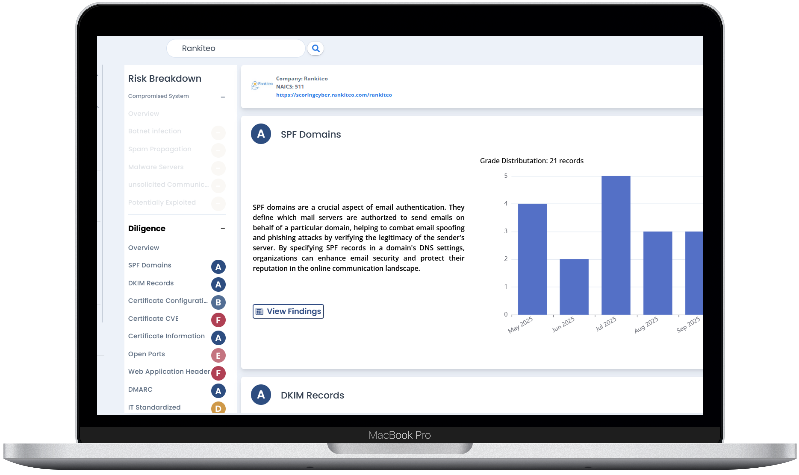
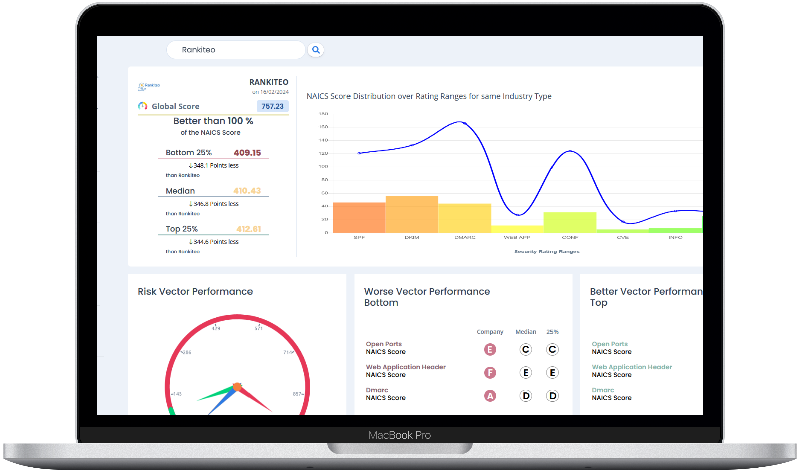
Every week, Rankiteo analyzes billions of signals to give organizations a sharper, faster view of emerging risks. With deeper, more actionable intelligence at their fingertips, security teams can outpace threat actors, respond instantly to Zero-Day attacks, and dramatically shrink their risk exposure window.
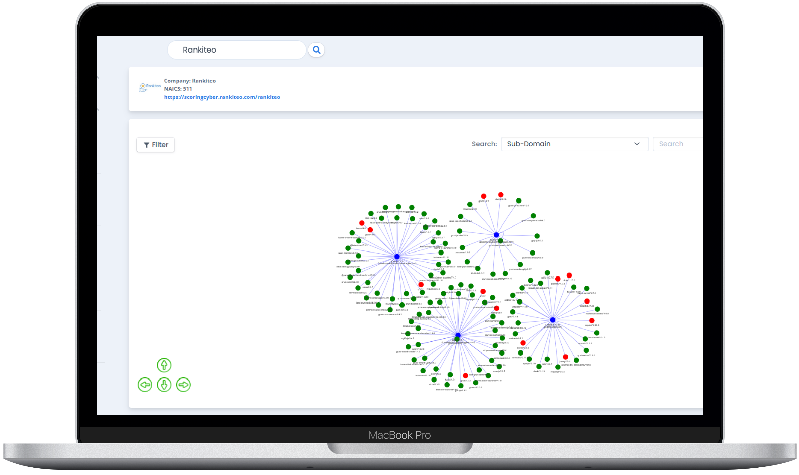
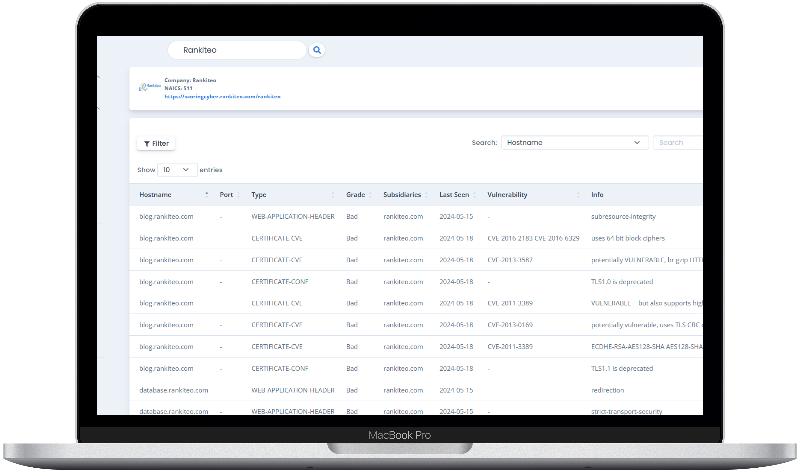
Identify exposed access points, detect misconfigured SSL certificates, and uncover vulnerabilities across the network infrastructure.
Gain visibility into the software components used within an organization to detect vulnerabilities, manage risk, and ensure supply chain security.
Monitor and manage all IT assets and their configurations to ensure accurate, real-time visibility across the company's technology environment.
Leverage real-time insights on active threats, malware campaigns, and emerging vulnerabilities to proactively defend against evolving cyberattacks.




 Rapid
Rapid