






ACAC
Company Details
Linkedin ID:
atlanta-contemporary-art-center
Website:
Employees number:
5
Number of followers:
1,144
NAICS:
712
Industry Type:
Homepage:
thecontemporary.org
IP Addresses:
0
Company ID:
ATL_1183162
Scan Status:
In-progress

Atlanta Contemporary Art Center Company CyberSecurity Posture
thecontemporary.org


The Atlanta Contemporary Art Center, founded in 1973 as a grassroots artist’s cooperative known as Nexus, is a dynamic non-collecting arts institution that plays a vital role in Atlanta’s cultural landscape. We exhibit the work of consequential artists from local, regional, national, and international art scenes, creating in various media, and exploring a broad range of content. We pay particular attention to artists who have not had significant exhibitions in the Southeast. Our public programs include talks, lectures, panel discussions, workshops, screenings, tours, and events which foster appreciation and understanding in diverse audiences. In addition to our programming, ACAC supports working artists by providing subsidized studio space at reasonable rates, fostering a collaborative environment supportive of the creative process.
Company Details
atlanta-contemporary-art-center
5
1,144
712
thecontemporary.org
0
ATL_1183162
In-progress
 ACAC Risk Score (AI oriented)
Between 750 and 799
 ACAC Global Score (TPRM)
XXXX


No incidents recorded for Atlanta Contemporary Art Center in 2026.
No incidents recorded for Atlanta Contemporary Art Center in 2026.
No incidents recorded for Atlanta Contemporary Art Center in 2026.
ACAC cyber incidents detection timeline including parent company and subsidiaries

The Atlanta Contemporary Art Center, founded in 1973 as a grassroots artist’s cooperative known as Nexus, is a dynamic non-collecting arts institution that plays a vital role in Atlanta’s cultural landscape. We exhibit the work of consequential artists from local, regional, national, and international art scenes, creating in various media, and exploring a broad range of content. We pay particular attention to artists who have not had significant exhibitions in the Southeast. Our public programs include talks, lectures, panel discussions, workshops, screenings, tours, and events which foster appreciation and understanding in diverse audiences. In addition to our programming, ACAC supports working artists by providing subsidized studio space at reasonable rates, fostering a collaborative environment supportive of the creative process.

CHF fosters dialogue on science and technology in society. Our staff and fellows study the past in order to understand the present and inform the future. We focus on matter and materials and their effect on our modern world in territory ranging from the physical sciences and industries, through the

The Troy-Hayner Cultural Center provides a variety of arts, educational and cultural programming, mostly offered free and open to the public. The historic Hayner mansion is a famous Troy landmark, built in 1914. The facilities of the Hayner Center are available for public use. Visitors welcome. Conc

Gotlands Museum is a county museum (founded 1875) that makes Gotland's art, history and natural and cultural heritage available to Gotland and visitors from all over the world. The museum consists of Fornsalen, Gotland Art Museum, Visby ruins and the museum manors Norrbys, Kattlunds and Petes. The m

Why? It may be the greatest question of all. Why? It’s born of wonder and curiosity. Why? It makes us think and makes us better. Why? It moves us forward. For nearly a century, the Buffalo Museum of Science has been a resource for why. Answering many times over. And then asking it again. From exhi

It is with a heavy heart that we inform you that due to a significant financial deficit, the American Textile History Museum has closed our doors to the public. Over the next year, we will seek to find new homes for our collection. We are gratefully accepting donations to help preserve and protect t
Walla Walla has long been known as the “Cradle of Pacific Northwest History.” By creating connections with this history, Fort Walla Walla Museum provides a sense of belonging to both long-term local residents and families that move to the area. At Fort Walla Walla Museum more than 50,000 artifacts a
History The only public Gallery in Richmond, the Richmond Art Gallery (RAG) is a municipal Gallery supported by the non-profit Richmond Art Gallery Association (RAGA), a charitable organization. In operation since 1980, the Gallery presents curated exhibitions by British Columbia, national and inte
We are a museum dedicated to sharing fun and educational experiences and stories with you and your entire family! From engaging exhibits to a German gift shop, there is something for everyone here at the German American Heritage Center & Museum! Mission Statement Our Mission is to “preserve and enr

The Masur Museum Of Art is a fine art museum located at 1400 S Grand St, Monroe, Louisiana, United States. The Masur exists through a partnership between the City of Monroe and the Twin City Art Foundation. The mission of the Masur Museum of Art is to provide a quality visual arts experience throug
.png)
Russ Holliday once seemed destined for glory. But one unforgivable mistake ended his promising college football career.
These museums, programs, online resources and at-home activities will help kids get engaged and excited about STEAM.
Six historically Black universities in five Southern states will be getting the first IBM cybersecurity centers aimed at training underrepresented communities.

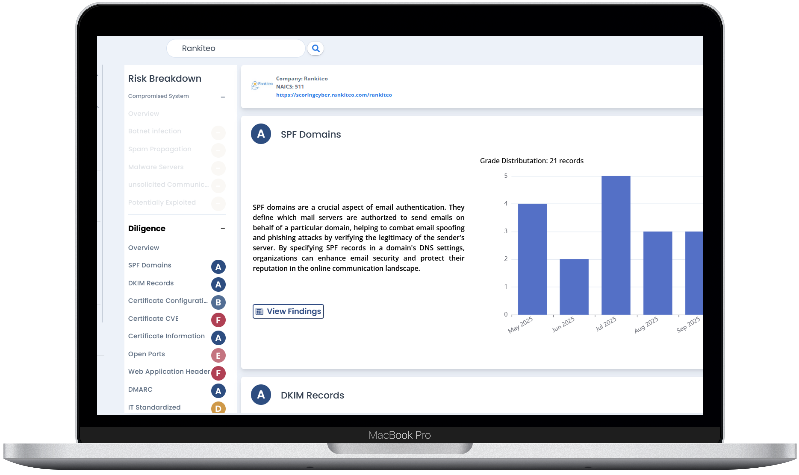
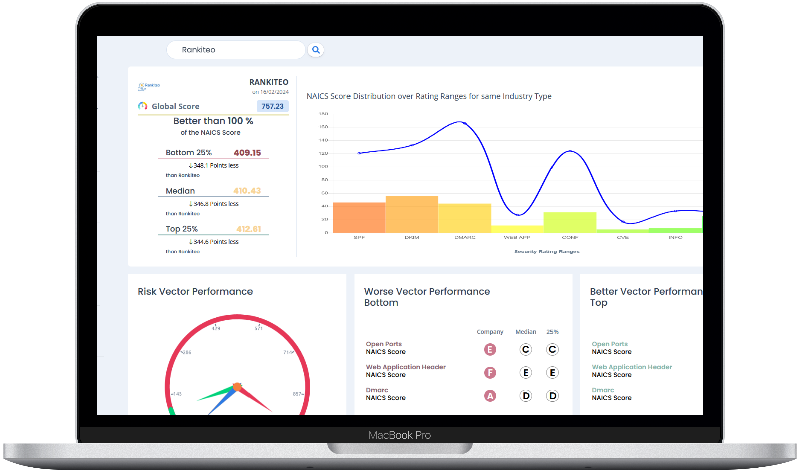
Explore insights on cybersecurity incidents, risk posture, and Rankiteo's assessments.
The official website of Atlanta Contemporary Art Center is http://www.thecontemporary.org.
According to Rankiteo, Atlanta Contemporary Art Center’s AI-generated cybersecurity score is 760, reflecting their Fair security posture.
According to Rankiteo, Atlanta Contemporary Art Center currently holds 0 security badges, indicating that no recognized compliance certifications are currently verified for the organization.
According to Rankiteo, Atlanta Contemporary Art Center has not been affected by any supply chain cyber incidents, and no incident IDs are currently listed for the organization.
According to Rankiteo, Atlanta Contemporary Art Center is not certified under SOC 2 Type 1.
According to Rankiteo, Atlanta Contemporary Art Center does not hold a SOC 2 Type 2 certification.
According to Rankiteo, Atlanta Contemporary Art Center is not listed as GDPR compliant.
According to Rankiteo, Atlanta Contemporary Art Center does not currently maintain PCI DSS compliance.
According to Rankiteo, Atlanta Contemporary Art Center is not compliant with HIPAA regulations.
According to Rankiteo,Atlanta Contemporary Art Center is not certified under ISO 27001, indicating the absence of a formally recognized information security management framework.
Atlanta Contemporary Art Center operates primarily in the Museums, Historical Sites, and Zoos industry.
Atlanta Contemporary Art Center employs approximately 5 people worldwide.
Atlanta Contemporary Art Center presently has no subsidiaries across any sectors.
Atlanta Contemporary Art Center’s official LinkedIn profile has approximately 1,144 followers.
Atlanta Contemporary Art Center is classified under the NAICS code 712, which corresponds to Museums, Historical Sites, and Similar Institutions.
No, Atlanta Contemporary Art Center does not have a profile on Crunchbase.
Yes, Atlanta Contemporary Art Center maintains an official LinkedIn profile, which is actively utilized for branding and talent engagement, which can be accessed here: https://www.linkedin.com/company/atlanta-contemporary-art-center.
As of January 24, 2026, Rankiteo reports that Atlanta Contemporary Art Center has not experienced any cybersecurity incidents.
Atlanta Contemporary Art Center has an estimated 2,180 peer or competitor companies worldwide.
Total Incidents: According to Rankiteo, Atlanta Contemporary Art Center has faced 0 incidents in the past.
Incident Types: The types of cybersecurity incidents that have occurred include .
.png)
Typemill is a flat-file, Markdown-based CMS designed for informational documentation websites. A reflected Cross-Site Scripting (XSS) exists in the login error view template `login.twig` of versions 2.19.1 and below. The `username` value can be echoed back without proper contextual encoding when authentication fails. An attacker can execute script in the login page context. This issue has been fixed in version 2.19.2.
A DOM-based Cross-Site Scripting (XSS) vulnerability exists in the DomainCheckerApp class within domain/script.js of Sourcecodester Domain Availability Checker v1.0. The vulnerability occurs because the application improperly handles user-supplied data in the createResultElement method by using the unsafe innerHTML property to render domain search results.
A Remote Code Execution (RCE) vulnerability exists in Sourcecodester Modern Image Gallery App v1.0 within the gallery/upload.php component. The application fails to properly validate uploaded file contents. Additionally, the application preserves the user-supplied file extension during the save process. This allows an unauthenticated attacker to upload arbitrary PHP code by spoofing the MIME type as an image, leading to full system compromise.
A UNIX symbolic link following issue in the jailer component in Firecracker version v1.13.1 and earlier and 1.14.0 on Linux may allow a local host user with write access to the pre-created jailer directories to overwrite arbitrary host files via a symlink attack during the initialization copy at jailer startup, if the jailer is executed with root privileges. To mitigate this issue, users should upgrade to version v1.13.2 or 1.14.1 or above.
An information disclosure vulnerability exists in the /srvs/membersrv/getCashiers endpoint of the Aptsys gemscms backend platform thru 2025-05-28. This unauthenticated endpoint returns a list of cashier accounts, including names, email addresses, usernames, and passwords hashed using MD5. As MD5 is a broken cryptographic function, the hashes can be easily reversed using public tools, exposing user credentials in plaintext. This allows remote attackers to perform unauthorized logins and potentially gain access to sensitive POS operations or backend functions.

Get company history

Every week, Rankiteo analyzes billions of signals to give organizations a sharper, faster view of emerging risks. With deeper, more actionable intelligence at their fingertips, security teams can outpace threat actors, respond instantly to Zero-Day attacks, and dramatically shrink their risk exposure window.
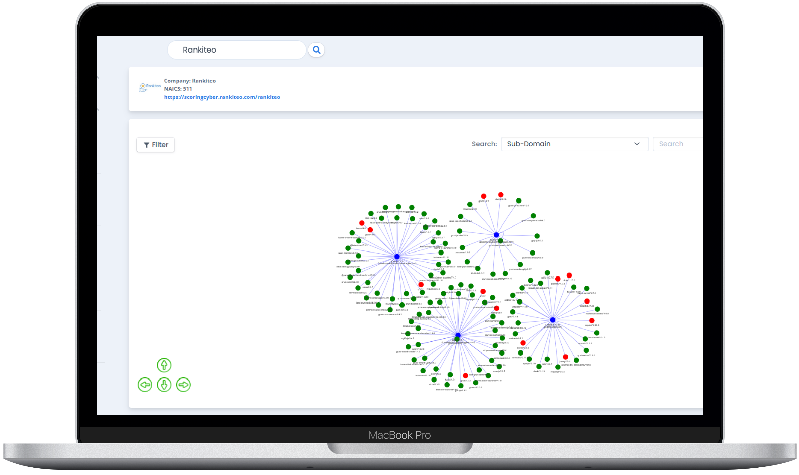
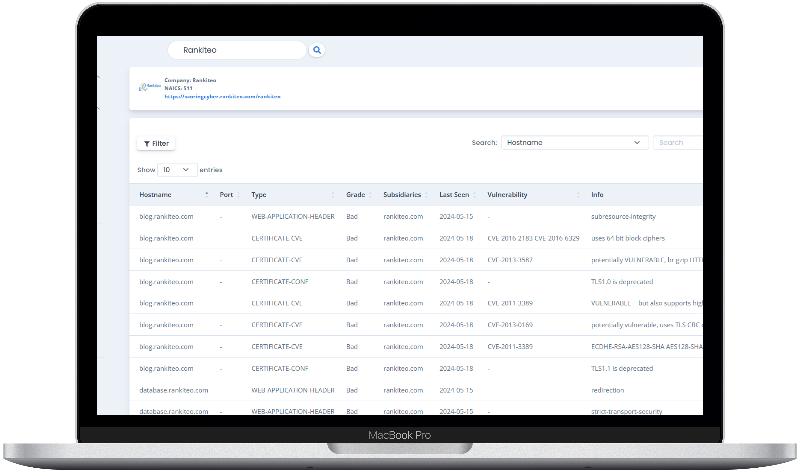
Identify exposed access points, detect misconfigured SSL certificates, and uncover vulnerabilities across the network infrastructure.
Gain visibility into the software components used within an organization to detect vulnerabilities, manage risk, and ensure supply chain security.
Monitor and manage all IT assets and their configurations to ensure accurate, real-time visibility across the company's technology environment.
Leverage real-time insights on active threats, malware campaigns, and emerging vulnerabilities to proactively defend against evolving cyberattacks.




 Rapid
Rapid